

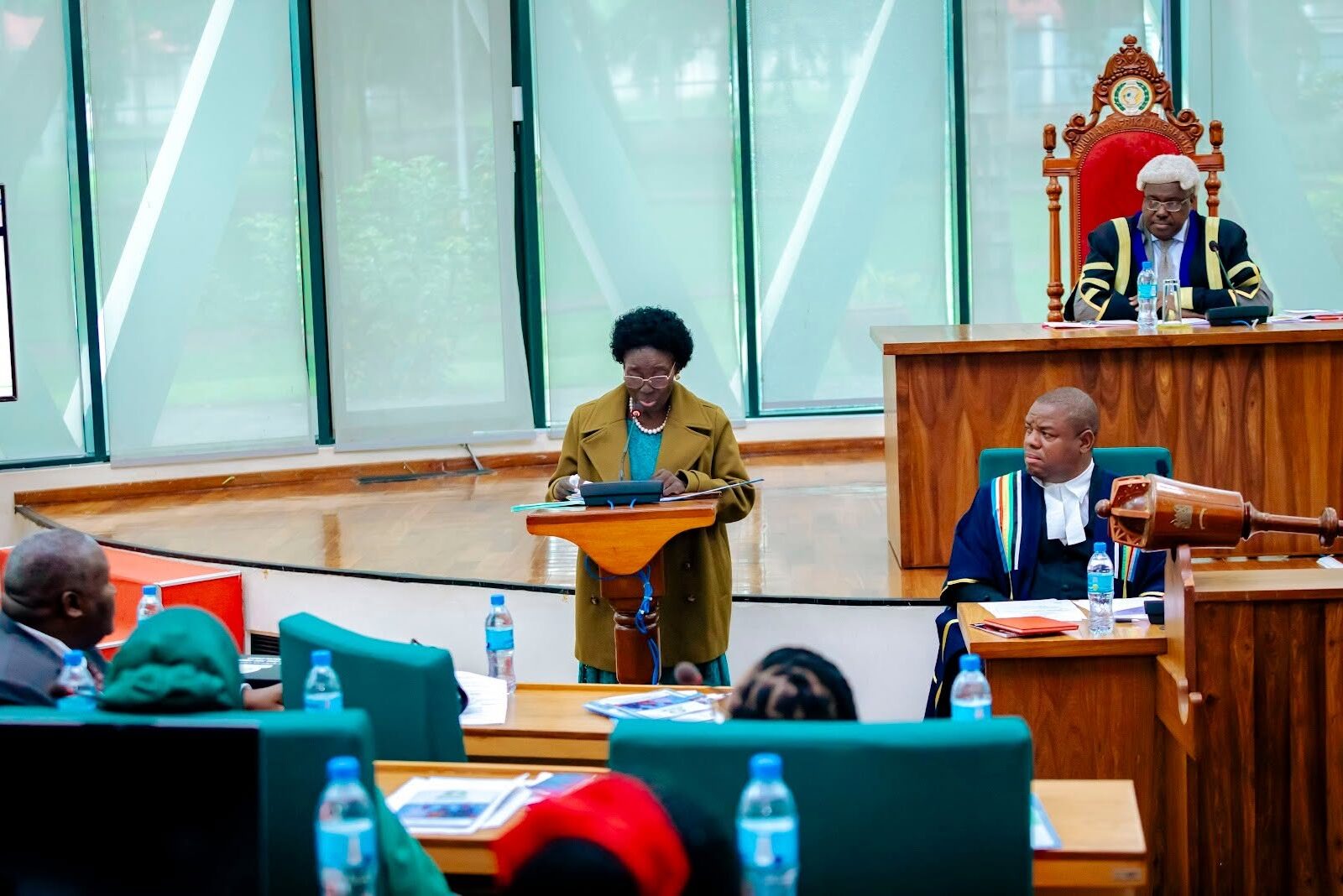
The session in Arusha marked another milestone in Somalia’s integration into the East African Community (EAC), with the country’s legislators participating in discussions on the bloc’s financial and policy agenda less than three years after Somalia joined the regional grouping.
EALA on Monday approved a supplementary budget of $4.7 million for the 2025/26 financial year and received the proposed EAC budget for 2026/27, the first to be implemented under the bloc’s new five-year development strategy aimed at deepening regional integration and improving livelihoods across member states. Somalia’s nine-member delegation was present during the proceedings, underscoring Mogadishu’s efforts to play a more active role in regional institutions and decision-making processes.
The supplementary funding will support a range of regional initiatives, including trade and integration programmes, climate resilience projects, fisheries management, digital innovation and entrepreneurship development. Lawmakers also discussed concerns over the EAC’s continued reliance on external development partners, with calls for greater domestic resource mobilisation across the bloc.
The proposed 2026/27 budget, valued at more than $110 million, is expected to guide implementation of the EAC’s Seventh Development Strategy, which focuses on strengthening economic cooperation, regional connectivity and sustainable development among member states. The Arusha session also highlighted Somalia’s expanding presence within the Community’s institutions.
Alongside Somali lawmakers, Judge Abdiwahid Warsame Abdullahi participated in the proceedings in his capacity as Somalia’s representative on the First Instance Division of the East African Court of Justice. The simultaneous presence of Somali representatives in both the legislative and judicial organs of the EAC reflects the country’s increasing participation in the bloc’s governance structures since formally joining the organisation in 2023.
The episode underscores the continuing pressure on Somali institutions as the federal government and regional authorities seek to balance security operations with political stability and public confidence.
