
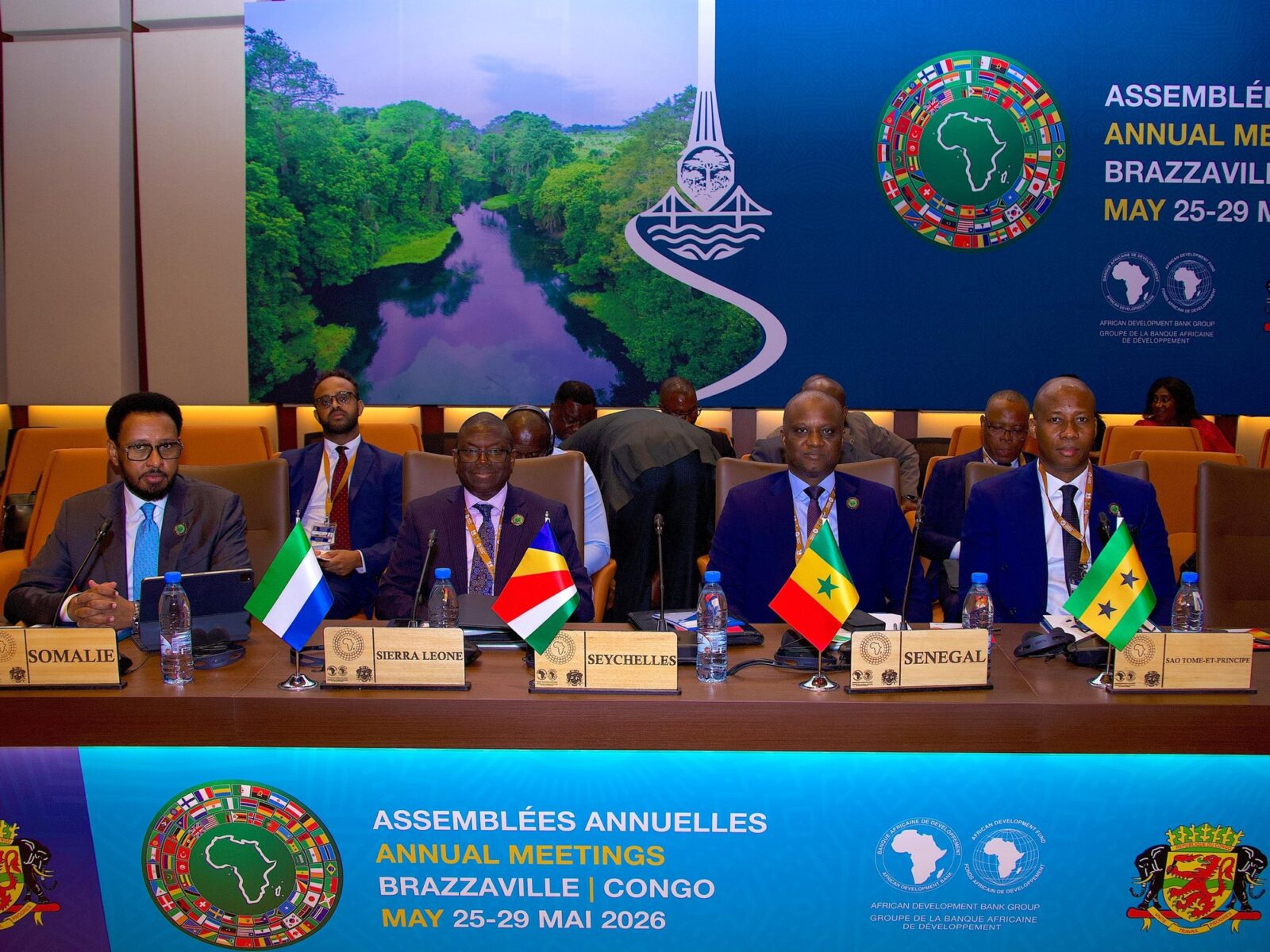
Speaking at the African Development Bank (AfDB) Annual Meetings in Brazzaville, Egeh said Somalia had made “clear progress” in fiscal reforms, including stronger domestic revenue collection and improvements in public financial management.
However, he stressed that domestic efforts must be matched by increased concessional financing from development partners to sustain development gains. “Somalia’s reform path is clear, but we need continued and predictable development financing to translate progress into real services for our people,” Egeh said.
The AfDB meetings, which bring together more than 3,000 delegates including finance ministers and central bank governors, are this year focused on closing Africa’s estimated $400 billion annual development financing gap and mobilising more domestic and institutional capital for investment. Key discussions have centred on replenishing the African Development Fund (ADF-17), the bank’s concessional financing window for low-income and fragile states, including Somalia, as countries push for new funding models amid tightening global aid flows.
Somalia has in recent years implemented economic reforms under international financial programmes, improving debt sustainability and rebuilding fiscal systems after decades of conflict. The country has also received increased attention from development partners supporting infrastructure and governance recovery efforts.
The Brazzaville gathering comes as African policymakers seek to reshape development finance architecture, with greater emphasis on self-reliance, blended finance, and leveraging African institutional capital to close long-standing investment gaps across the continent.
The issue is likely to carry broader political weight as Somalia navigates federal power-sharing, regional competition and the search for stronger public institutions.
