

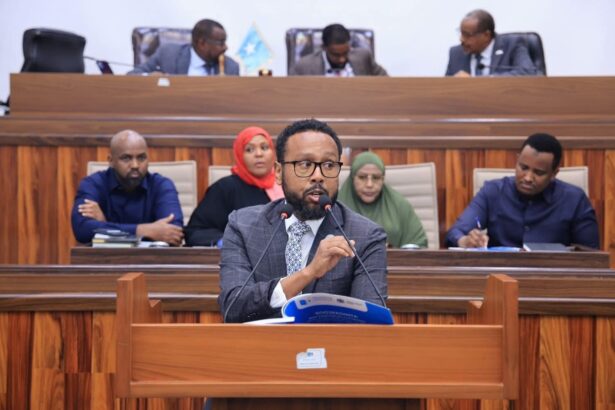
The session, convened in Mogadishu, marks the formal resumption of legislative business at a time when relations between the government and opposition figures remain strained.
The suspension, widely criticised by opposition leaders have raised questions about inclusivity and consensus as Parliament embarks on deliberations over key constitutional provisions governing its own structure and powers. Officials indicated that the central item on the agenda is the review and debate of Chapter 6, which defines the composition, authority and procedures of the Federal Parliament.
The chapter outlines the roles of both the House of the People and the Upper House, and sets the framework for legislative powers, parliamentary oversight and constitutional amendments. Today’s opening session comes amid concerns that the absence of suspended lawmakers could affect both the tone and dynamics of debate.
Opposition figures have argued that constitutional reform requires broad political participation, particularly when addressing provisions that directly shape the functioning of Parliament and the balance of power within the federal system. Under parliamentary rules, both houses are required to hold regular sessions each year, with constitutional amendments subject to debate and approval by both chambers before being forwarded for presidential assent and publication.
Government officials have maintained that the constitutional review process remains on track and is being conducted within the legal framework. However, political analysts say that perceptions of exclusion especially during a debate focused on parliamentary authority could influence the credibility of the process.
The issue is likely to carry broader political weight as Somalia navigates federal power-sharing, regional competition and the search for stronger public institutions.
