

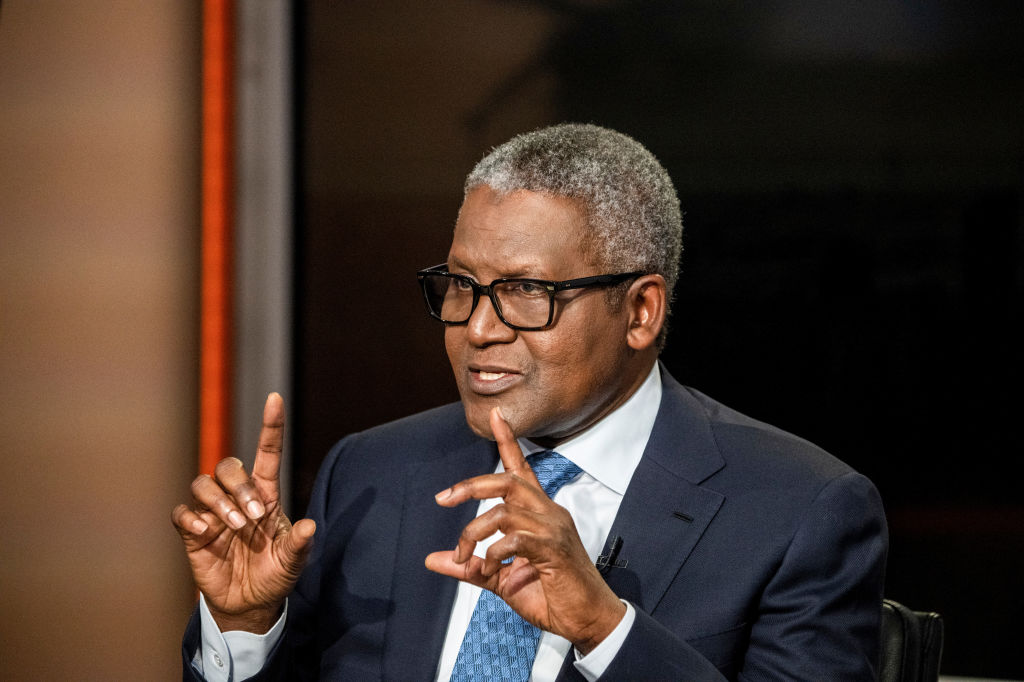
Kenya is making a high-stakes bid to become East Africa’s refining center, with President William Ruto saying Nigerian billionaire Aliko Dangote has agreed to build a massive oil facility in Lamu.
Ruto announced the deal during the launch of the second phase of the Nyota youth programme, emphasizing a politically potent figure: 60,000 projected jobs, many of them for young Kenyans. The refinery is expected to process up to 700,000 barrels a day and take about three years to build.
If completed at that scale, the project would reshape regional energy flows. Kenya currently imports refined petroleum, as do many of the markets the proposed plant is meant to serve, including Ethiopia, Uganda, Tanzania, South Sudan, Rwanda, Burundi and the Democratic Republic of Congo.
The location is itself a victory for Nairobi. Dangote had previously considered Tanga in Tanzania, linked to the East African Crude Oil Pipeline. Lamu was ultimately selected after assessments of logistics, infrastructure and access to regional markets, according to the company.
For Ruto, the project fits a broader industrialization argument: Kenya can use its coastline and transport links to become a production and distribution hub rather than merely a consumer market. It also gives his government a job-creation headline at a time when youth unemployment remains politically sensitive.
The risks are equally large. Mega-refineries require enormous financing, stable regulation, reliable infrastructure and long construction timelines. Environmental and community questions in Lamu are also likely to surface.
Dangote’s Lagos refinery has shown the scale of the group’s ambition. Kenya will now have to prove that an announcement can become steel, pipelines and operating capacity.
