

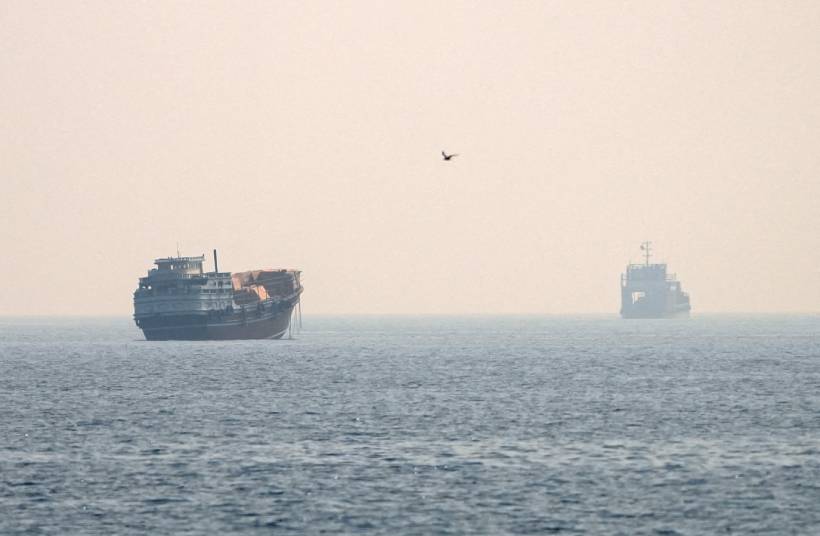
The most important development in the Strait of Hormuz is not that shipping has stopped. It is that Tehran appears to be testing whether it can decide who moves through the waterway, when and at what cost.
Large tankers stopped using the U.S.-coordinated corridor after attacks on commercial vessels shattered expectations that a June ceasefire would restore normal traffic. Lloyd’s List Intelligence reported no publicly visible transit by ships above 10,000 deadweight tonnes after July 7, with only a small number believed to have crossed without active transponders.
President Donald Trump first declared the ceasefire over, then said the exchange would not produce sustained military action. Markets reacted to the uncertainty, but the deeper problem is structural: shipping companies cannot plan around political reversals and intermittent attacks.
Iran may not need to close the strait completely to gain leverage. A pattern of selective disruption, inspection, intimidation or informal fees could turn Hormuz into a managed risk zone — effectively a toll gate enforced by uncertainty.
That would force energy traders, Gulf governments and Western navies to rethink assumptions built around guaranteed passage. Insurance costs would rise, escorts could become routine and every diplomatic flare-up would carry an immediate price in oil markets.
The West’s mistake has been to treat “reopening” as the natural endpoint. Tehran’s strategy may be to prevent a return to the old normal while avoiding the costs of an outright blockade.
The question is no longer whether traffic resumes for a day or a week. It is whether Iran has found a sustainable way to convert geography into recurring political and economic leverage.
