

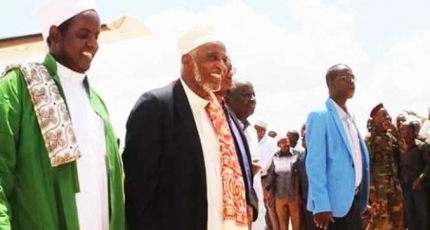
The development marks a notable turn in Somalia’s political and security landscape, with in a statement issued on Tuesday, the ministry said the decision follows a review by the UN Country Task Force on Monitoring and Reporting (CTFMR), which officially verified that ASWJ no longer meets the criteria for inclusion on the watchlist for grave violations involving child recruitment.
According to the ministry, ASWJ had previously appeared on the list due to concerns over the recruitment and use of children within its ranks. However, recent assessments confirmed that the group has ended the practice and aligned its conduct with Somalia’s security and child protection standards.
The ministry described the development as a significant milestone in the Federal Government’s efforts to strengthen security sector accountability, uphold the rule of law, and protect children’s rights. It also said the decision reflects progress made through collaboration between Somalia, the United Nations, and international partners working to end the recruitment and use of child soldiers.
The statement noted that the government welcomes the outcome of extensive engagement and dialogue aimed at reintegrating ASWJ into a framework consistent with national laws and international obligations. It added that the verification process involved evaluations of compliance measures, training programmes, awareness campaigns, and commitments undertaken by ASWJ in coordination with Somali authorities, federal member states, the United Nations, and other international partners.
The Ministry of Defence expressed appreciation to the United Nations, UNICEF, federal and state-level institutions, particularly the Galmudug State administration, and international partners for their support in achieving the outcome. Despite the delisting, the Federal Government reaffirmed its commitment to protecting children from armed conflict, promoting human rights, implementing Somalia’s National Action Plan on Child Protection, and ensuring that all security actors comply with national and international legal obligations.
The episode underscores the continuing pressure on Somali institutions as the federal government and regional authorities seek to balance security operations with political stability and public confidence.
