

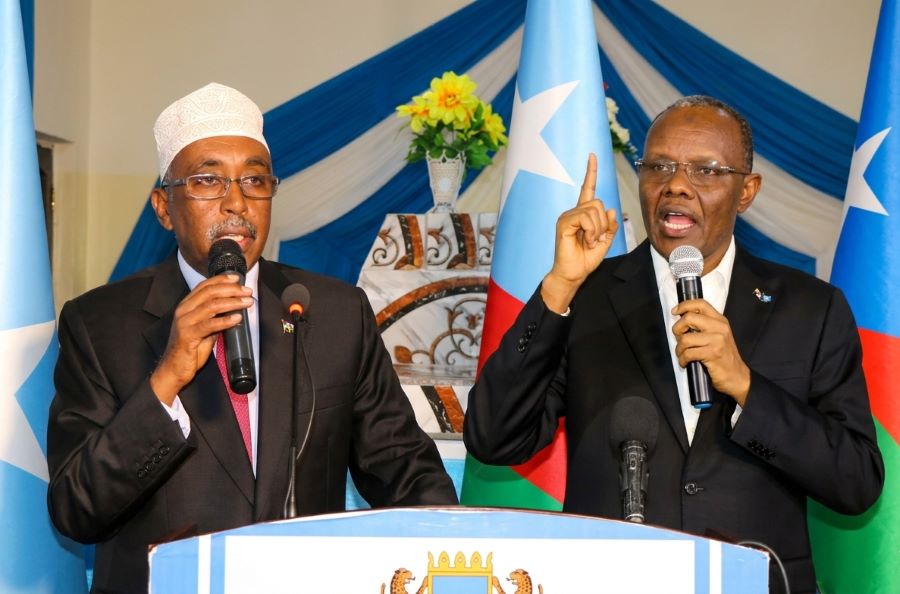
The development marks a notable turn in Somalia’s political and security landscape, with roble Poetic Justice: Laftagareen rose to power on the ruins of his predecessor’s forced exit.
Eight years later, history handed him the same fate. INTRODUCTION There is a particular cruelty in Somali political theatre that reserves its sharpest lessons for those who benefit from it most.
When South West State President Abdiaziz Hassan Mohamed Laftagareen posted his resignation notice on Facebook on the evening of March 30, 2026 — hours after federal government troops and armed groups aligned with regional opposition figures entered Baidoa following heavy fighting that left at least two people dead and 25 wounded — he became the latest victim of a playbook he once watched from the inside. More than that: he was a playbook he had once helped to run.
Because the last time a South West State president was forced from power in Baidoa under federal pressure, the man waiting in the wings to take the seat was Abdiaziz Laftagareen himself. To understand Monday’s resignation is to travel back to December 2018, to another leader, another manufactured crisis, and another forced exit — and to ask the uncomfortable question that Somali politics has now answered with brutal precision: what happens when the instrument of someone else’s removal eventually becomes the target?
ACT ONE: HOW SAKIN FELL (2018) By mid-2018, South West State President Sharif Hassan Sheikh Adan — widely known by his nickname “Sakin” — had become the most consequential thorn in President Mohamed Abdullahi Farmaajo’s side. A veteran political operator who had served as Speaker of the Federal Parliament and Finance Minister, Sakin had built South West State into an assertive power base that openly challenged Mogadishu.
The episode underscores the continuing pressure on Somali institutions as the federal government and regional authorities seek to balance security operations with political stability and public confidence.
