

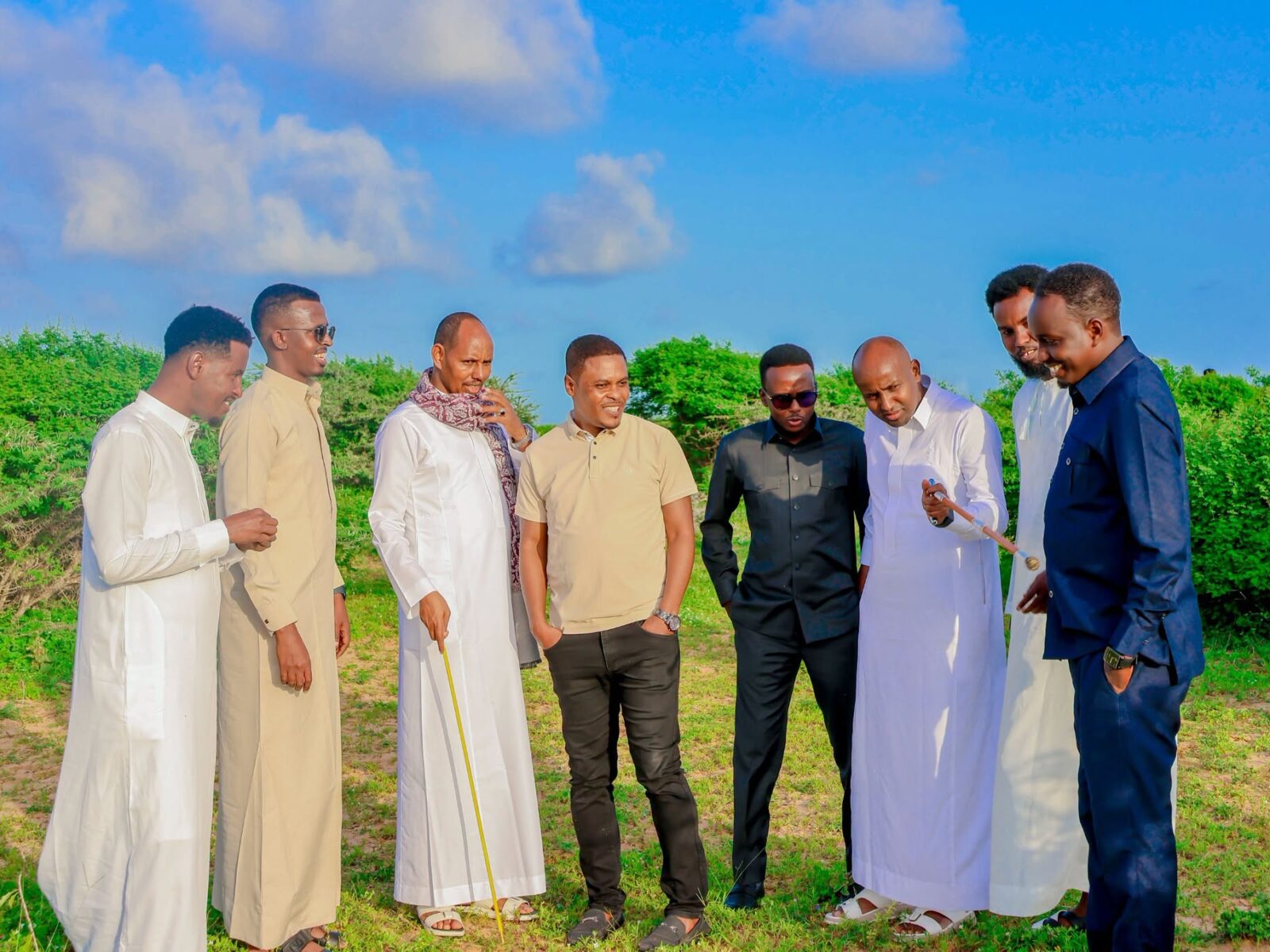
A Friday outing by senior Somali officials to a recreational site outside Mogadishu was staged as more than a tourism promotion. It was a carefully chosen signal that the government wants the capital to be seen as livable, investable and increasingly secure.
Information and Tourism Minister Abdulfatax Qasim Mahmoud led the delegation to Kahda district, joined by senior internal-security, intelligence and counterterrorism officials. Their presence turned a visit to a leisure facility into a public demonstration of state confidence.
Officials met operators and visitors and highlighted tourism’s potential to create jobs and draw private capital. The message fits Mogadishu’s visible commercial revival, where hotels, restaurants, beachfront venues and recreation businesses have expanded despite persistent security risks.
The symbolism is powerful because ordinary public life has long been one of the casualties of Somalia’s conflict. Encouraging families and investors to use public spaces allows the government to show progress in a form people can see.
But the security reality remains mixed. Al-Shabaab continues to carry out attacks in the capital and elsewhere, and a high-profile official visit does not eliminate that threat. The government is therefore selling a narrative of recovery without being able to declare the danger over.
The tourism push also has an economic dimension. Somalia wants to diversify activity beyond aid, remittances and traditional commerce. Leisure businesses can support employment, construction and services if security and infrastructure improve.
The visit’s success will not be measured by photographs. It will be measured by whether private investors keep building — and whether ordinary residents feel safe enough to show up.
