

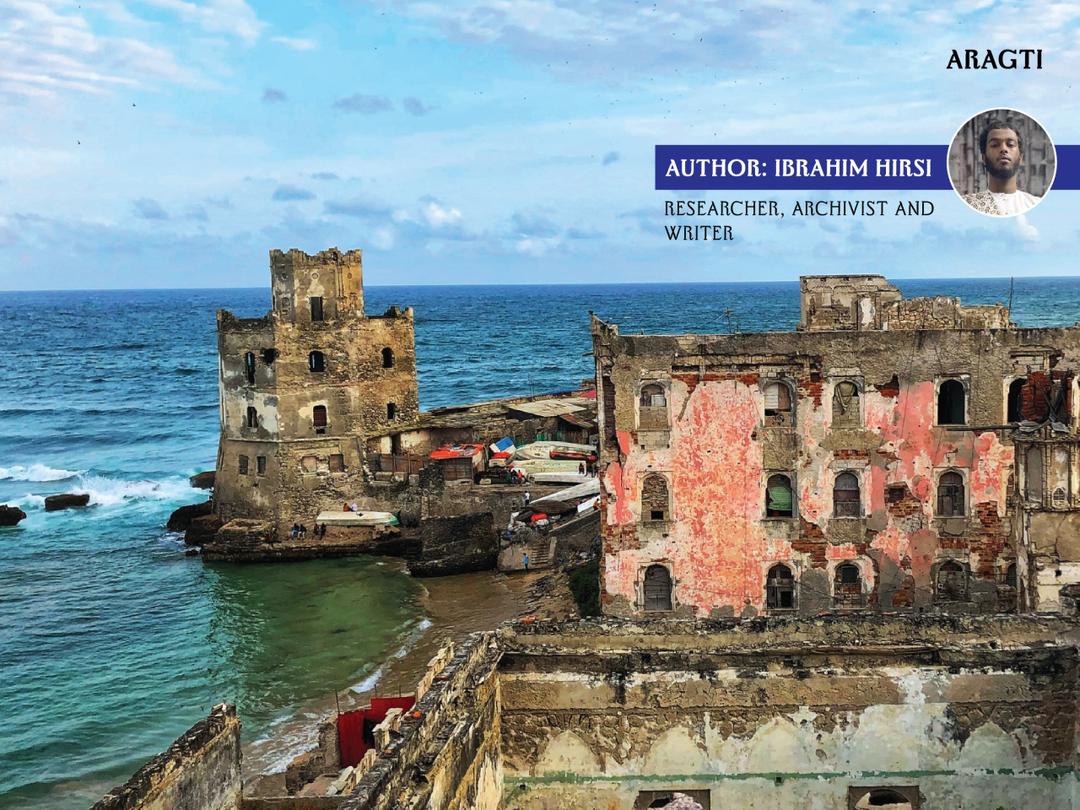
By Ibrahim Hirsi Somali poetry has long occupied a central place in Somali cultural life, serving as a primary mode of expression within an overwhelmingly oral society.
It encompasses a vast range of forms and functions, including lullabies, work songs, dance songs, religious verse, praise poetry, and political commentary. Despite this diversity, the dominant trends in the collection, study, and canonisation of Somali poetry have disproportionately centred works produced by nomadic pastoralist communities, particularly those from the north.
This imbalance is neither accidental nor purely aesthetic; it is rooted in historical, political, and ideological processes that have shaped both Somali Studies and state cultural institutions. These debates around poetry did not emerge in a vacuum.
They coincide with, and are entangled in, racialising discourses of otherness that seek to fragment Somali identities for political ends. Such narratives attempt to draw boundaries within Somali society by elevating certain cultural forms while marginalising others.
It is therefore necessary to begin deconstructing these narratives and the assumptions that sustain them. Poetry offers a particularly revealing site for this intervention.
The episode underscores the continuing pressure on Somali institutions as the federal government and regional authorities seek to balance security operations with political stability and public confidence.
