

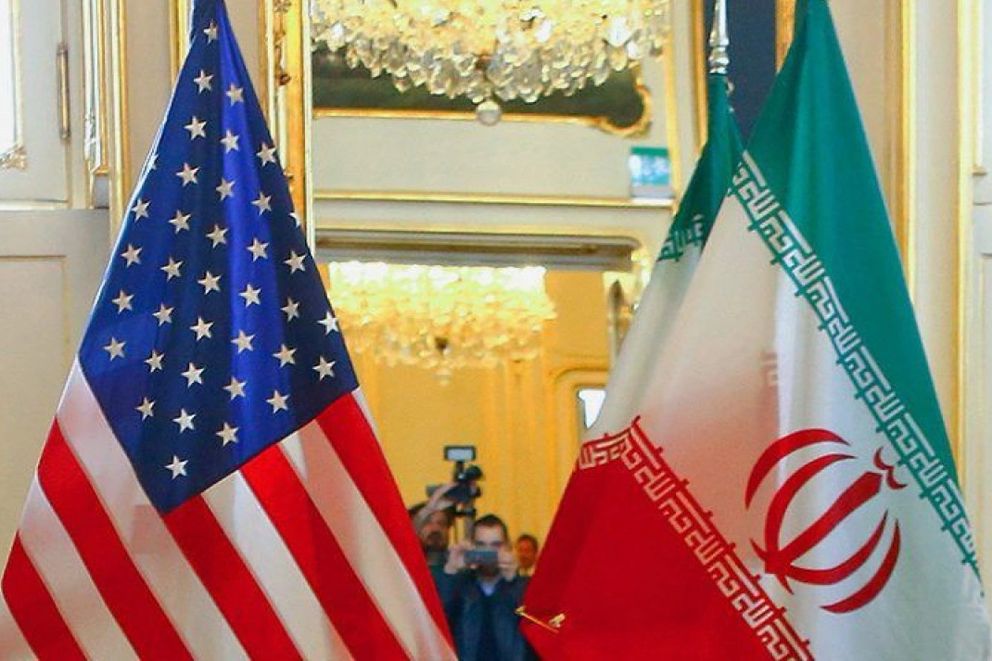
US-IRAN TALKS IN MUSCAT: Managing Risk amid High Tension When Iranian and American officials meet in Muscat on Friday, global attention will focus on a stage long associated with high-stakes diplomacy.
The venue is set, but the format, agenda, and potential for a substantive outcome remain uncertain. This ambiguity is not incidental; it reflects the reality of US-Iran relations today, where cautious negotiation coexists with the constant threat of confrontation.
Oman’s selection as host is both practical and symbolic. Muscat has historically offered a discreet channel for adversaries unable to meet openly, from the back-channel diplomacy that helped pave the 2015 nuclear deal to last year’s indirect talks.
Oman provides what few others can: a trusted, low-profile environment conducive to sensitive negotiations. The venue itself was a point of contention.
Iran reportedly sought bilateral talks focused narrowly on nuclear issues and sanctions relief, while the US initially resisted before agreeing to proceed. Reports that nine regional governments urged Washington not to cancel highlight the wider stakes: even limited engagement is preferable to renewed instability in a region already fraught with tension.
The episode underscores the continuing pressure on Somali institutions as the federal government and regional authorities seek to balance security operations with political stability and public confidence.
