

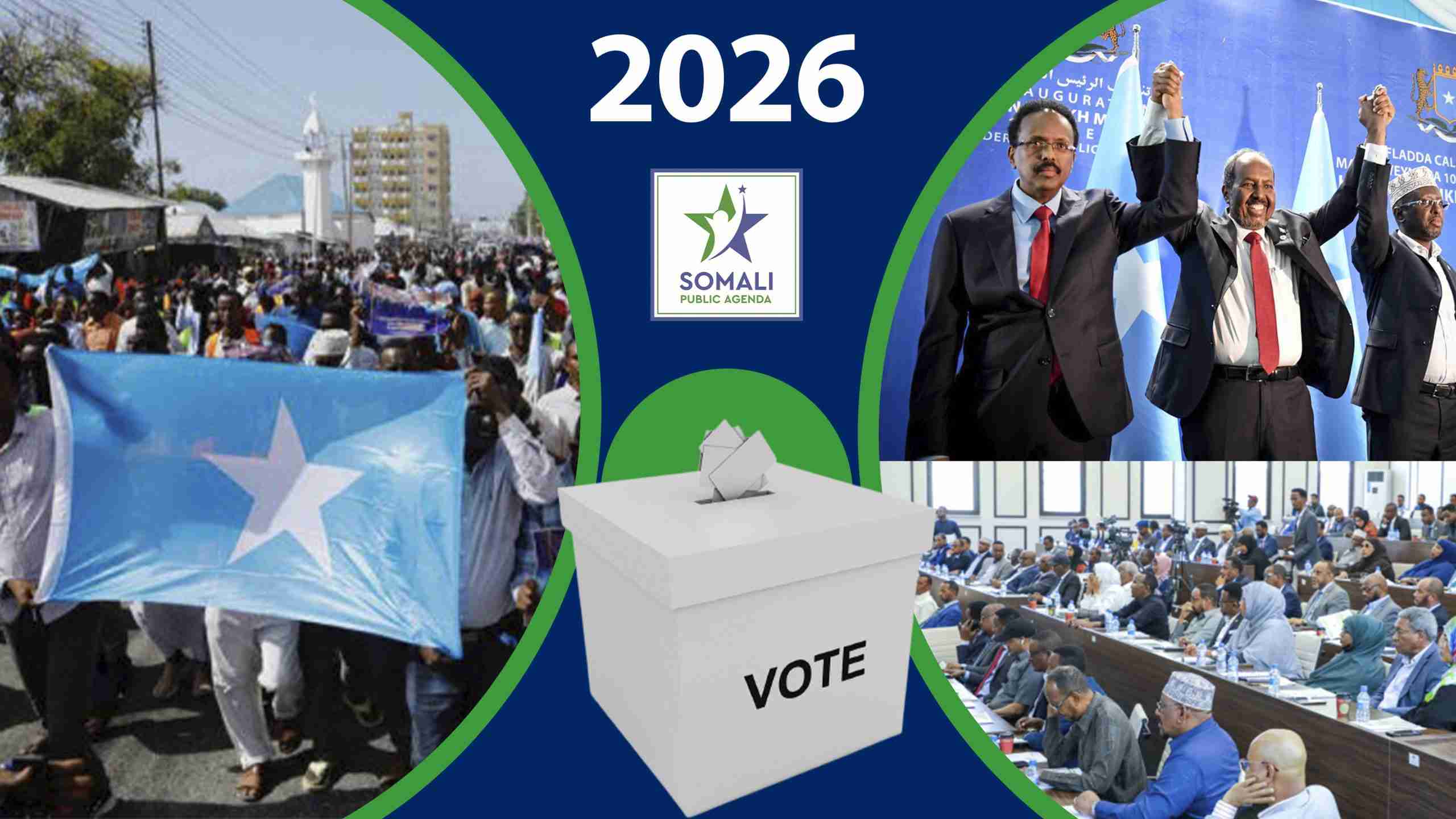
Somalia’s election debate has entered a dangerous phase after political scholar Afyare Elmi warned that unilateral elections could push the country toward instability rather than democratic renewal. His intervention underscores growing concern that President Hassan Sheikh Mohamud’s government is moving ahead with contested electoral plans without the consensus needed to preserve Somalia’s fragile political order.
Somalia’s modern political transitions have rarely succeeded without compromise among key political actors. Federal leaders, opposition groups, regional administrations, clan elders, and international partners have traditionally played central roles in shaping electoral agreements.
Elmi’s warning focuses on the danger of one-sided elections in a country still recovering from civil war and institutional collapse. In fragile states, elections do not automatically produce legitimacy; they can deepen conflict when major stakeholders reject the rules, the timetable, or the credibility of electoral bodies.
The dispute also reflects wider tensions between Mogadishu and Somalia’s federal member states. As the government pushes toward a new electoral framework, opposition figures and regional leaders fear that the process could extend presidential authority while weakening the consensus-based arrangements that have governed previous transitions.
Afyare Elmi argued that contested elections can become a “fault line” for conflict in post-war societies. He urged President Hassan Sheikh Mohamud to halt unilateral electoral plans, abandon efforts to extend his term, and seek compromise with the opposition and federal member states.
He also warned opposition groups against creating parallel political processes, calling instead for genuine talks on Somalia’s 2026 transition with strong international involvement.
The warning highlights a central dilemma in Somali politics: the country wants to move beyond indirect, clan-based power-sharing, but any transition toward universal suffrage requires broad trust and institutional credibility. Without consensus, electoral reform may be seen not as democratization, but as a tool for political survival.
The international community is likely to remain central to the process. Somalia’s previous transitions have depended heavily on external mediation, funding, and diplomatic pressure. If foreign partners fail to intervene early, the dispute could harden into another constitutional crisis, weakening the state and creating openings for armed groups and rival political factions.
