

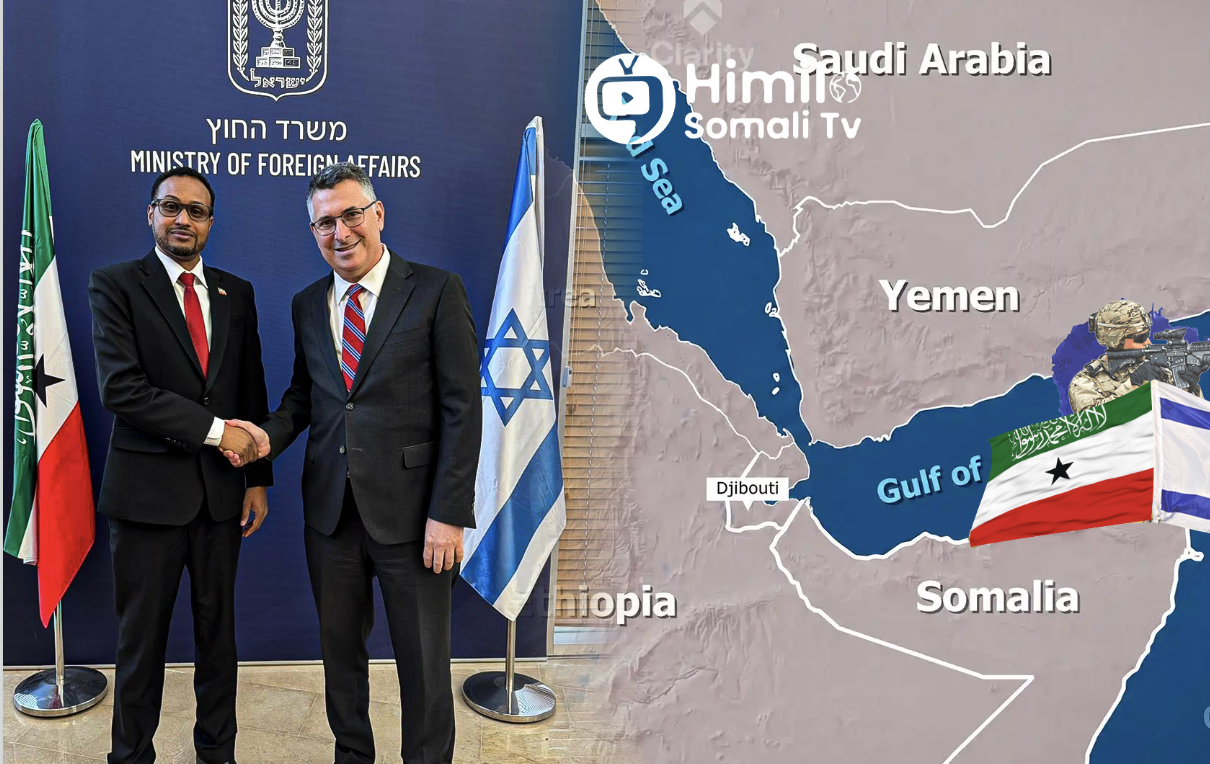
A growing diplomatic controversy has emerged in the Horn of Africa after reports of deepening ties between Somaliland and Israel triggered political backlash from Somalia’s federal government and regional actors. The developments have intensified debates over sovereignty, international recognition, and shifting geopolitical alliances in one of Africa’s most strategically contested regions.
Somaliland, the self-declared republic that broke away from Somalia in 1991, has long sought formal international recognition despite operating with its own government, military, and political institutions. While no major global power officially recognizes Somaliland as an independent state, its leadership has increasingly pursued direct diplomatic and economic partnerships abroad.
Recent discussions surrounding potential diplomatic engagement with Israel — including speculation over future representation offices and bilateral cooperation — have alarmed authorities in Mogadishu. Somalia’s federal government maintains that Somaliland remains an integral part of Somali territory and argues that any independent foreign policy initiatives violate national sovereignty.
The issue arrives amid broader geopolitical realignments across the Horn of Africa, where Gulf states, Turkey, the United Arab Emirates, Ethiopia, and Western powers continue competing for strategic influence along the Red Sea corridor.
Officials in Mogadishu condemned any unauthorized foreign agreements involving Somaliland, warning that unilateral diplomatic engagements threaten Somalia’s territorial integrity. Somaliland representatives, however, defended their international outreach efforts as part of a long-standing campaign for recognition and economic partnership.
Regional analysts and diplomats have also noted that Israel’s growing interest in the Horn of Africa reflects wider strategic concerns involving maritime security, regional intelligence cooperation, and Red Sea access routes.
The controversy underscores the increasingly international dimension of Somalia’s internal political fragmentation. Somaliland’s external diplomacy not only challenges Mogadishu’s authority but also complicates the calculations of foreign governments seeking influence in East Africa.
For Israel and other international actors, engagement with Somaliland offers potential strategic advantages in a geopolitically sensitive corridor linking Africa and the Middle East. Yet such engagement also risks escalating tensions with Somalia and potentially destabilizing delicate regional diplomatic balances.
The dispute may further deepen divisions between Mogadishu and Hargeisa at a time when broader negotiations over Somalia’s federal future remain unresolved.
