

The risk of a Turkey-Israel clash matters because the two powers are now contesting the same space in Syria, where a miscalculation could escalate faster than either government intends.
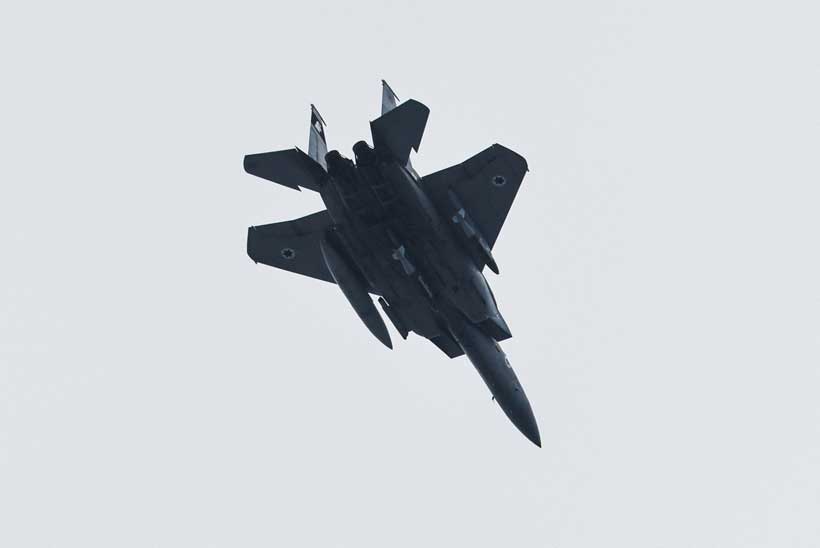
Israel’s strikes on sites that Turkish planners had considered for a future airbase were a direct warning: Ankara would not be allowed to establish a military position that Israel viewed as a threat. Turkey abandoned the deployment and did not retaliate.
That restraint is more revealing than the public rhetoric. Relations have deteriorated sharply since October 2023, trade has been suspended and President Recep Tayyip Erdoğan has intensified his attacks on the Israeli government. Israel, meanwhile, wants a weak and fragmented Syria that cannot host hostile forces.
Turkey wants the opposite. It backs the new authorities in Damascus and prefers a centralised state capable of limiting Kurdish armed groups near its border. The competing visions create repeated opportunities for confrontation.
Yet Ankara has strong reasons to avoid a direct war. Its air-defence shield is incomplete, key aircraft upgrades depend on US approval, and new fighter and drone programmes are not yet available at scale. High inflation also reduces the real value of announced defence-spending increases.
Israel faces its own constraints. A conflict with a NATO member would widen regional instability, complicate relations with Washington and distract from other fronts.
A technical deconfliction channel established with Azerbaijani help remains the principal guardrail. Both governments deny that it represents normalisation, but both continue to use it.
The most likely danger is therefore not a planned invasion. It is an Israeli strike that kills Turkish personnel, a Turkish move across an undeclared red line or a local confrontation that outruns political control.
For now, deterrence is holding. The strategic task is to make the rules in Syria clearer before the next test produces casualties that neither capital can ignore.
