

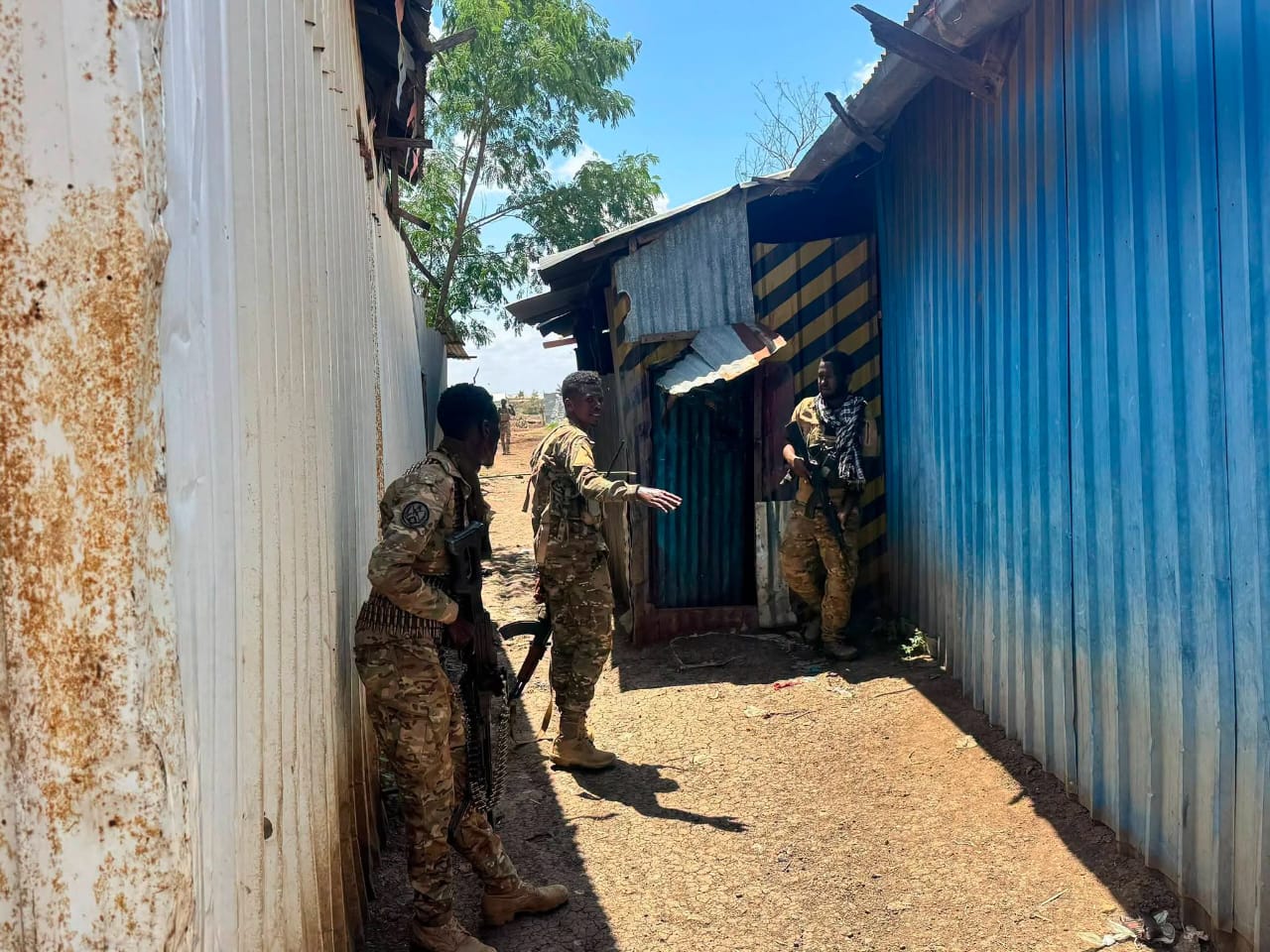
A Danab commando operation in Lower Shabelle matters because it highlights both the strength and the limitation of Somalia’s counterinsurgency campaign: elite forces can strike Al-Shabaab positions, but lasting success depends on what follows the raid.
Somali officials said the special forces destroyed militant bases during an operation in the region, a key corridor connecting Mogadishu with southern Somalia. Lower Shabelle has long served as a logistical and revenue area for Al-Shabaab and remains central to the group’s ability to threaten the capital.
Danab units, trained and supported by international partners, have become one of the federal government’s most capable formations. Their mobility and intelligence-led operations allow them to target commanders, weapons sites and gathering points that conventional units may struggle to reach.
Yet raids alone do not create durable control. After militants are pushed out, government forces must secure roads, protect communities and establish an administrative presence. Without that follow-through, Al-Shabaab can disperse, regroup and return once the commandos leave.
The operation also comes as Somalia prepares to shoulder more responsibility from the African Union mission. That transition will increase pressure on the government to build regular forces that can hold territory without continuous foreign logistical support.
For residents, the strategic question is whether military action leads to safer movement, reopened markets and functioning local government. For Al-Shabaab, every temporary security gap remains an opportunity to reimpose taxation and intimidation.
The Lower Shabelle raid is therefore best read as a tactical success, not a final result. Somalia’s campaign will be decided less by how many bases are destroyed than by whether the state can replace them with permanent security and credible governance.
