

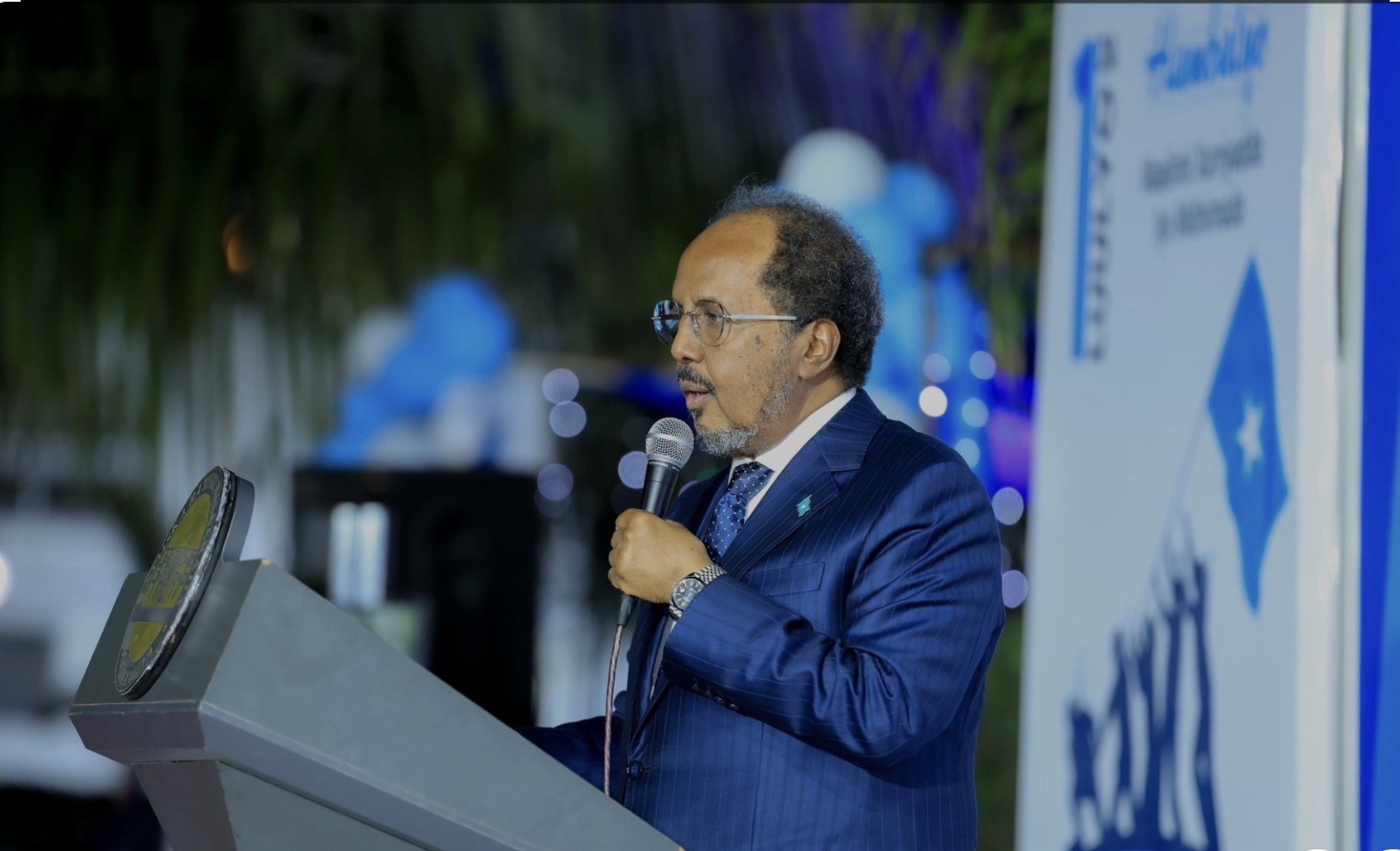
Somalia is pressing ahead with plans for electoral reform, as officials in Mogadishu seek to move beyond the clan-based power-sharing system that has defined the nation’s politics for decades. The initiative, described by leaders as a “march toward fair elections,” reflects both the urgency and fragility of Somalia’s state-building project.
Since its civil war in the early 1990s, Somalia has relied on a formula that allocates parliamentary seats along clan lines — a system widely criticized as unrepresentative and prone to political deadlock. The current government under President Hassan Sheikh Mohamud has vowed to introduce a more direct and transparent electoral process, a move welcomed by international partners but viewed cautiously by entrenched elites.
The stakes are high. Electoral reform is seen as essential to Somalia’s legitimacy at home and abroad, particularly as the country negotiates with lenders and donors who tie financial support to political stability. “Somalia’s democratic transition is not merely about elections; it is about signaling to the world that the state has the capacity to govern inclusively,” one political analyst in Mogadishu observed.
Yet progress is uneven. Security concerns, including ongoing threats from al-Shabaab militants, complicate the logistics of organizing nationwide polls. Regional administrations, too, remain wary of ceding influence, raising fears that political disputes could once again paralyze reform efforts. Past electoral cycles in Somalia have been marred by delays, corruption allegations, and foreign interference.
If successful, the reform would mark a historic break with the past, laying the groundwork for broader democratic participation in a country long plagued by factionalism. But the road remains perilous: failure to deliver credible reforms risks deepening public disillusionment and fueling instability at a time when Somalia is striving to project resilience on the regional stage.
Somalia’s experiment with electoral reform is therefore not just a test of democracy, but of state survival — a reminder that in the Horn of Africa, governance remains as contested as the territory itself.
