

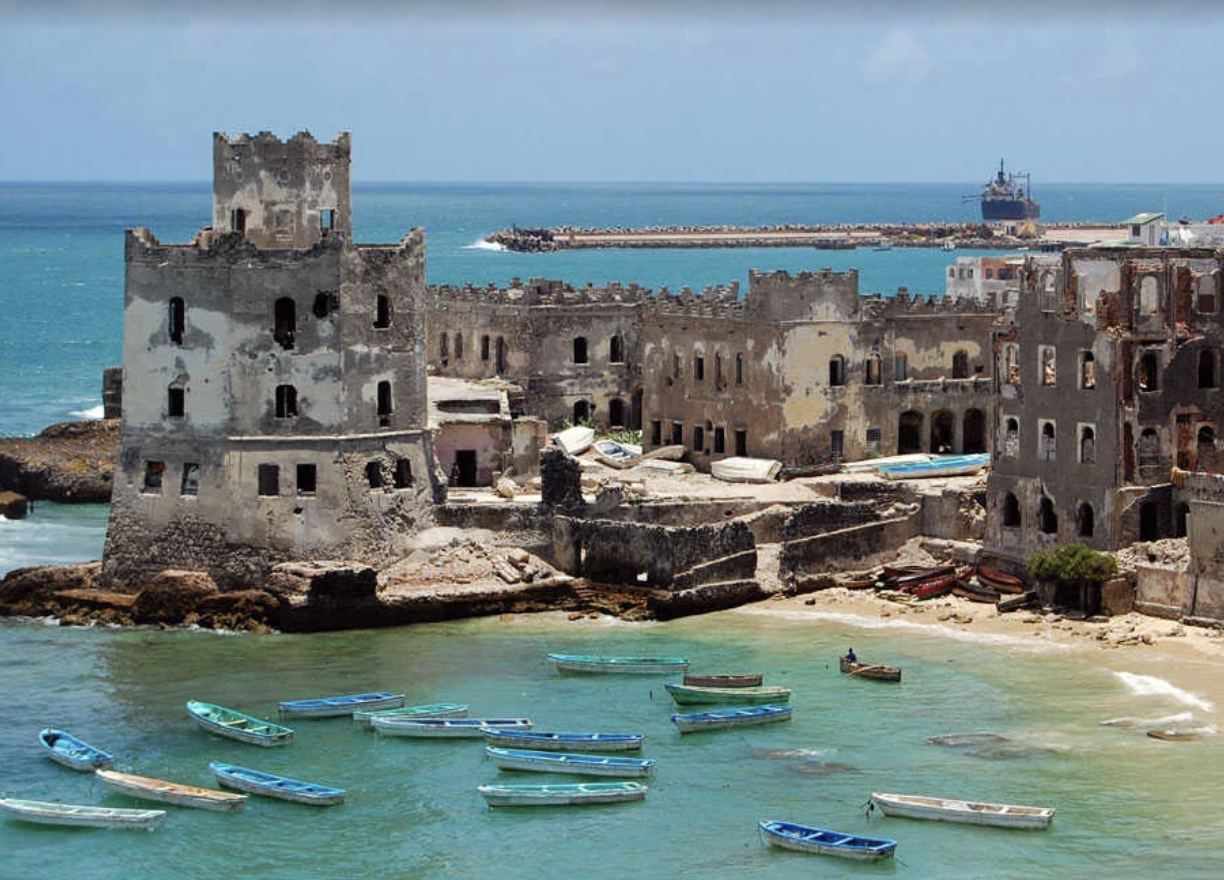
Somalia finds itself at a pivotal moment, navigating electoral reform, economic modernization, and urgent humanitarian crises, while simultaneously deepening ties with its neighbors in a volatile region. Over the past week, Somali President Hassan Sheikh Mohamud met with Ethiopian Prime Minister Abiy Ahmed, while Mogadishu pressed forward on an ambitious blueprint for development and sought to consolidate momentum toward fairer elections. Against this backdrop, the nation also mourned the deaths of civilians after a rescue boat overturned off Puntland’s coast.
Somalia’s internal trajectory has been shaped by a dual agenda: building institutions and managing crises. The government’s unveiling of a “blueprint for a modern and resilient Somalia” highlights a push to lay the foundations of economic recovery and stronger governance. Meanwhile, officials have underscored that electoral reforms — a sensitive issue in a country where clan politics remain deeply entrenched — must proceed if the state is to achieve legitimacy and stability. “Somalia’s march toward fair elections is not only a domestic imperative but also a signal to international partners that the country is ready for deeper integration,” one government official noted.
Regionally, President Mohamud’s meeting with Ethiopia’s Abiy Ahmed reflects both cooperation and caution. Ethiopia remains a critical security and trade partner, yet relations are layered with complexity, especially amid Ethiopia’s internal conflicts and disputes with neighboring states. Strengthened bilateral engagement suggests Mogadishu is seeking to anchor itself within the Horn’s shifting alliances, even as Somalia’s sovereignty concerns remain acute.
The humanitarian front remains equally pressing. At least five people were killed when a rescue boat capsized in Puntland, a tragedy that underscores Somalia’s chronic vulnerability to weak infrastructure and recurring natural disasters. International agencies continue to warn that climate shocks — from floods to droughts — will test the country’s capacity to respond, straining both government and aid resources.
Taken together, these developments illustrate a Somalia in transition. Institution-building and diplomacy are advancing, yet fragile infrastructure and recurrent crises threaten to undermine progress. For the Horn of Africa, Somalia’s trajectory carries wider implications: a functioning Somali state could stabilize trade routes and maritime security, while failure risks amplifying the region’s already combustible mix of insecurity and humanitarian emergencies.
In the months ahead, Mogadishu’s challenge will be to prove that reform and resilience can move in tandem — convincing its citizens and neighbors alike that Somalia is more than the sum of its crises.
