

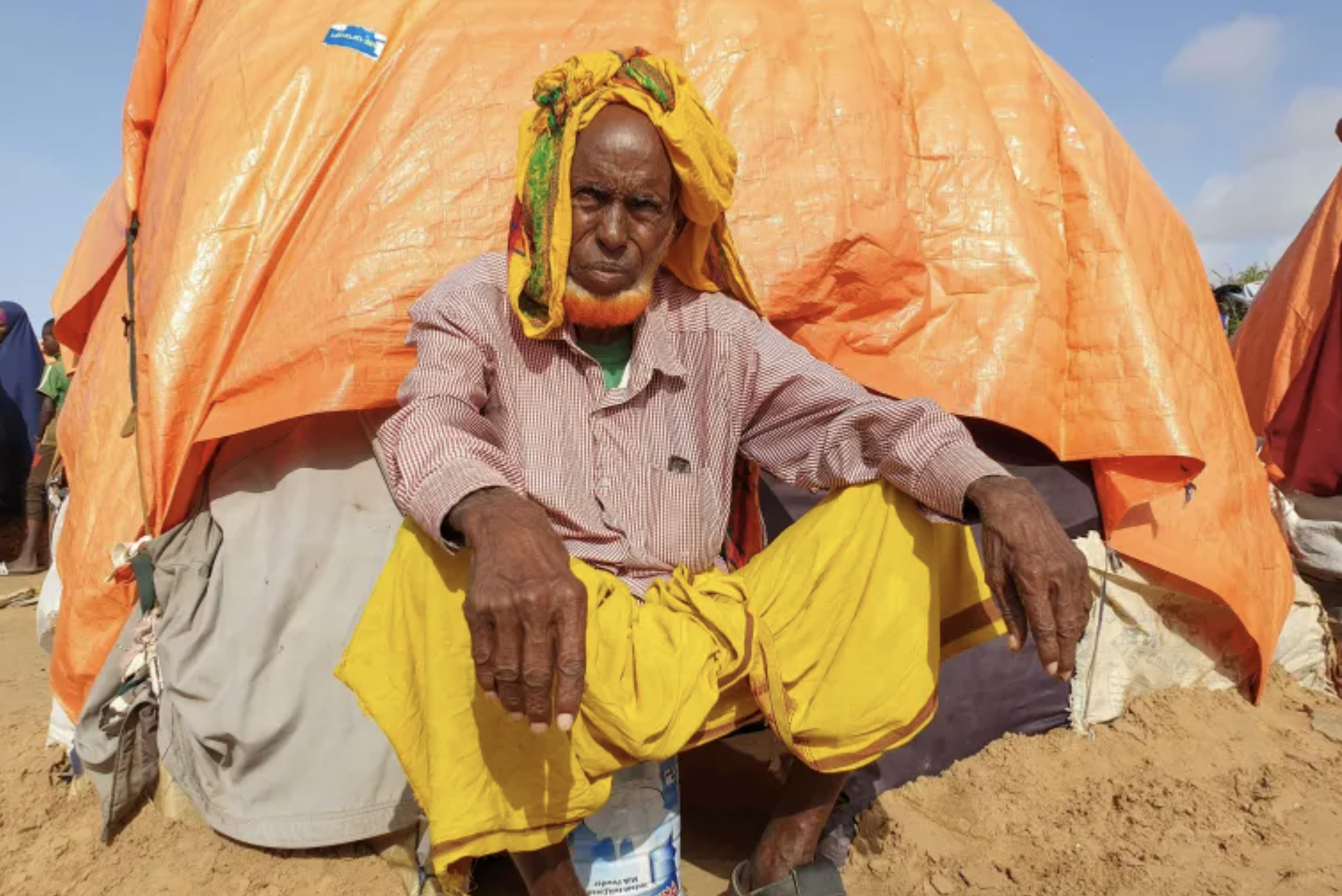
A regional seasonal forecast released by the IGAD Climate Prediction and Applications Centre (ICPAC) warns that Somalia’s October–December “Deyr” rains are likely to underperform, raising the risk of renewed drought stress and food insecurity.
Somalia’s climate vulnerability is shaped by erratic rainfall cycles. The 2020–2023 drought displaced hundreds of thousands, while more recent flash floods have devastated urban areas. This year, the outlook points to suppressed rainfall across southern and central states including Jubaland, Southwest State, Hirshabelle, and Galmudug.
The main actors are ICPAC meteorologists, Somali disaster management agencies, and humanitarian organisations. The stakes are acute: crop yields, livestock pastures, and water availability all hinge on the Deyr season.
National officials have warned communities to conserve water and prepare for below-average rains, while aid agencies are already updating contingency plans for food assistance and water trucking.
Regionally, a failed Deyr season would spill into borderlands of Ethiopia and Kenya, disrupting livestock markets and increasing displacement pressures. It would also test anticipatory financing models that regional donors are seeking to expand after the last drought cycle.
