

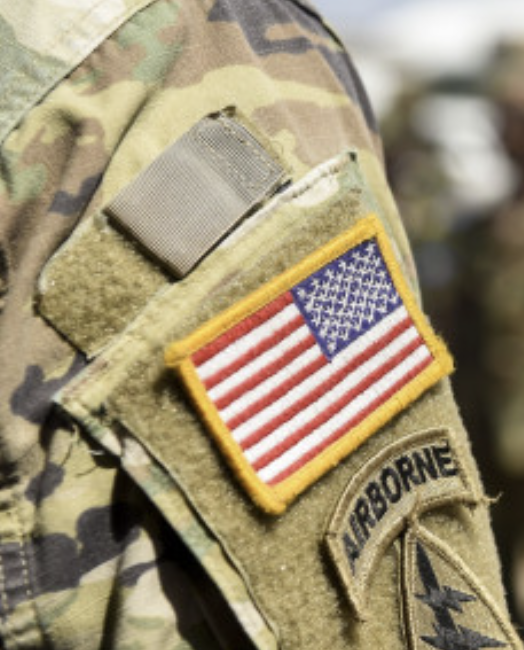
U.S. Africa Command confirmed that American forces stationed near Somalia’s southern port city of Kismayo were targeted in an indirect fire attack earlier this week, underscoring the persistent security threats U.S. personnel face while supporting Somali counterterrorism operations.
The incident occurred at a forward operating base used by U.S. forces and their Somali counterparts as a staging ground for operations against Al-Shabaab — the Al-Qaeda–linked insurgent group that maintains a deadly presence across southern Somalia.
According to AFRICOM, no U.S. casualties were reported, and an assessment of damage is ongoing. The attack involved indirect fire, typically referring to mortar or rocket fire launched from a distance. The command declined to provide specific details about the type of ordnance used or the suspected perpetrators, but suspicion immediately fell on Al-Shabaab, which has increased attacks against both Somali and international forces in recent months.
U.S. troops in Somalia primarily serve in an advisory and training capacity, but often operate in austere environments where the lines between combat and support blur.
“While no injuries occurred, this attack highlights the dangers U.S. personnel face daily in Somalia and reaffirms our commitment to supporting our partners in degrading terrorist threats,
AFRICOM said in a public statement.
Somali National Army (SNA) sources noted the attack came just days after a joint SNA-U.S. patrol dismantled an Al-Shabaab explosives cache near the outskirts of Kismayo — a potential trigger for reprisal
The strike on U.S. forces is a stark reminder of the evolving complexity of America’s “advise-and-assist” role in fragile states. While U.S. troops are officially non-combatants, they remain vulnerable to asymmetric warfare — especially in areas like Jubaland where militant networks retain deep local roots.
Geopolitically, such attacks test Washington’s political will to stay engaged in Somalia’s long and grinding war against terrorism. The Biden administration has maintained a “light footprint” approach to Africa, but repeated targeting of U.S. personnel could shift risk assessments and alter strategic calculus in the region.
