

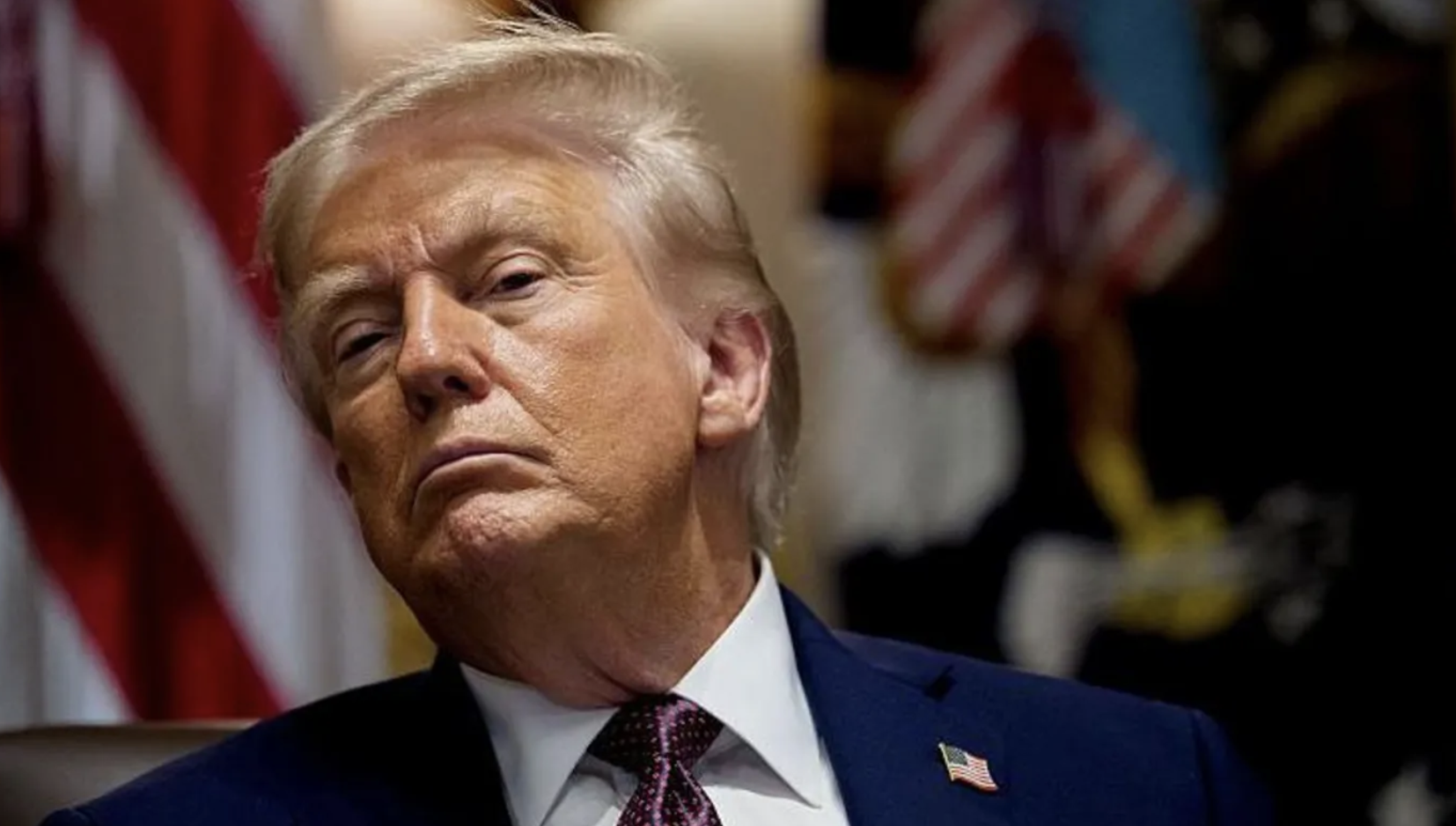
Amid campaign trail buzz and mounting geopolitical controversy, speculation has reignited over whether former U.S. President Donald Trump could be nominated — or even awarded — the Nobel Peace Prize. Supporters cite his role in brokering Middle East normalization deals, while critics argue the nomination process is being politicized for partisan gain.
Trump has previously boasted about his role in negotiating the Abraham Accords — agreements that saw Israel normalize relations with several Arab states, including the United Arab Emirates and Bahrain. While some international observers praised the deals as a diplomatic breakthrough, others noted that they bypassed Palestinian leadership and failed to address core issues in the Israeli–Palestinian conflict.
Trump has been nominated in the past by far-right European politicians and U.S. lawmakers, though the Nobel Committee — based in Oslo and independent from any government — does not disclose official nominees until 50 years later.
His renewed push for recognition appears tied to his 2026 presidential campaign narrative, positioning him as a global dealmaker in contrast to the Biden administration’s multilateralist foreign policy.
Speaking at a recent rally, Trump told supporters,
“They gave Obama the Nobel Prize for doing nothing. I brought peace to the Middle East, and they don’t even mention my name.”
In Norway, some members of the Storting (Parliament) have reportedly backed informal nomination efforts, though the Nobel Committee has not issued any public statements related to Trump.
Critics argue that awarding the prize to Trump would undermine the legitimacy of past laureates and send the wrong message at a time of rising authoritarianism and democratic backsliding globally.
The Nobel Peace Prize, long viewed as the world’s most prestigious honor for diplomacy and human rights, has increasingly become a lightning rod for political controversy. From Henry Kissinger to Barack Obama, the prize has drawn scrutiny when awarded to figures with contentious foreign policy records.
Trump’s potential candidacy raises profound questions: Is the prize meant to reward symbolic gestures, strategic diplomacy, or measurable peace outcomes? And can a polarizing figure — who pulled out of global agreements like the Paris Climate Accord and the Iran nuclear deal — be credibly considered?
While a nomination may boost Trump’s campaign theatrics, few expect the committee to embrace such a divisive figure. Still, in an age where political spectacle often eclipses substance, even the rumor of a Nobel nod serves as strategic fuel.
