
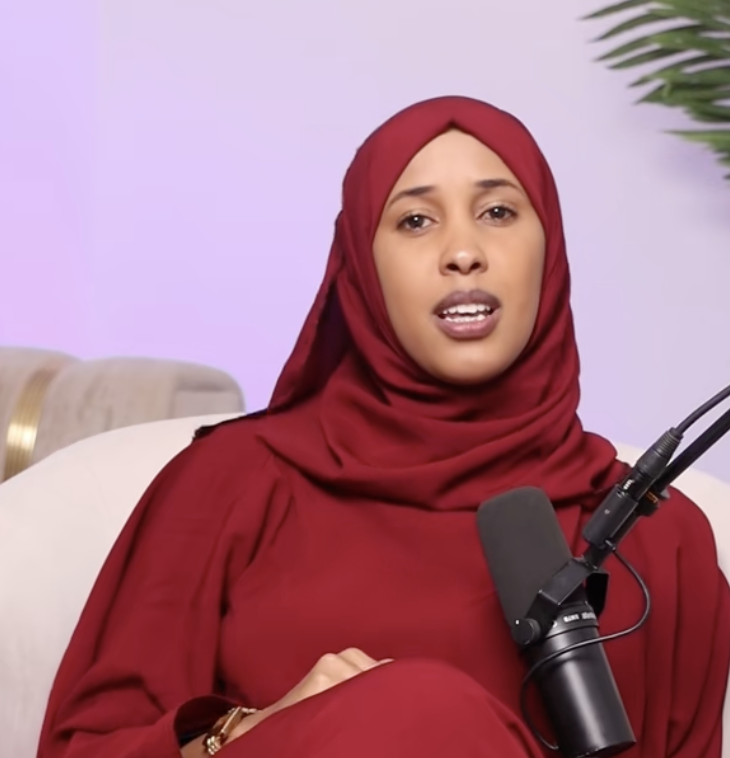
A coalition of Somali women journalists and rights defenders has launched a groundbreaking initiative to combat harassment, workplace discrimination, and violence against female media workers, marking a bold push for gender justice within Somalia’s embattled press sector.
The campaign, unveiled in Mogadishu under the banner “Breaking Chains, Smashing Barriers,” brings together newsrooms, legal advocates, and grassroots activists in a collective effort to protect women journalists — who often face a dual burden of repression: one rooted in Somalia’s wider hostility toward press freedom, and another driven by patriarchal norms and gender-based threats.
Somalia remains one of the most dangerous countries in the world for journalists, but female reporters are disproportionately targeted through online abuse, sexual harassment, and exclusion from high-profile reporting roles. Few incidents are investigated, and most go unreported due to stigma or fear of retaliation.
The initiative aims to change that through legal training, psychological support, emergency relocation funding, and workplace safety reforms.
“Women in Somali media are not just surviving — we are leading,” said Hodan Ali, one of the initiative’s founding members. “But we cannot lead in fear. This movement is about reclaiming our right to report — safely and with dignity.”
Organizers also called on male editors, civil society leaders, and international partners to support institutional reforms that ensure gender parity in hiring, editorial decision-making, and newsroom culture.
The rise of organized gender advocacy in Somalia’s media landscape signals a generational shift — one where women journalists are asserting collective power not just as victims, but as structural reformers. The campaign is part of a growing global trend that sees women in fragile states pushing back against gendered violence in public life, especially in post-conflict contexts.
Yet the obstacles remain formidable: lack of legal protections, entrenched newsroom hierarchies, and social taboos that silence survivors. Sustaining the momentum will require political will, donor engagement, and sustained local organizing.
Still, for many women in Somalia’s media, this campaign is not just about safety — it’s about visibility, voice, and equality in a sector that mirrors the very power structures it seeks to hold accountable.
