

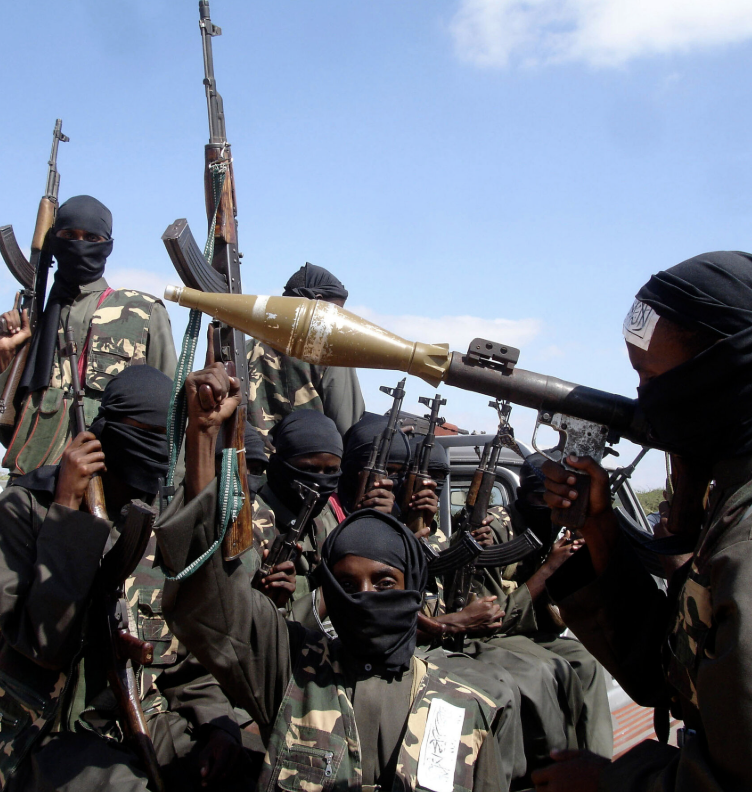
Somali federal forces have launched a large-scale military operation targeting Al-Shabaab strongholds in central Somalia, in what officials describe as a “strategic offensive” aimed at crippling the militant group’s operational command in the region.
The operation, coordinated across Galmudug and Hirshabelle states, is part of a broader counterinsurgency campaign supported by international partners, including the African Union Transition Mission in Somalia (ATMIS) and U.S. Africa Command (AFRICOM). These efforts come amid growing pressure on the Somali government to demonstrate progress in its war against Al-Shabaab — an Al-Qaeda affiliate that controls significant swathes of rural territory and regularly carries out bombings in urban centers.
While government sources confirmed that several militant camps were overrun, the names and ranks of senior Al-Shabaab figures reportedly targeted in the operation remain undisclosed. Local media described the maneuver as “surgical and swift,” with ground troops moving in shortly after a series of drone and artillery strikes.
President Hassan Sheikh Mohamud, who has made defeating Al-Shabaab a centerpiece of his administration, has pushed for aggressive offensives this year — a strategy that has drawn both praise for its ambition and criticism for lacking follow-through in liberated areas.
A military spokesperson described the mission as “a significant blow to enemy infrastructure,” adding,
Military spokesperson
“We have intelligence indicating several key operatives were neutralized, though confirmation is ongoing.”
The offensive marks another high-profile attempt by Mogadishu to weaken Al-Shabaab’s grip ahead of planned political reforms and national elections. But history offers caution: past gains have often been reversed due to limited state presence and inadequate stabilization in recovered areas.
For international observers, the operation is a litmus test of the Somali government’s ability to convert battlefield victories into lasting security. With donor patience thinning and regional tensions simmering, success in central Somalia may define the country’s broader path toward peace and federal cohesion.
