

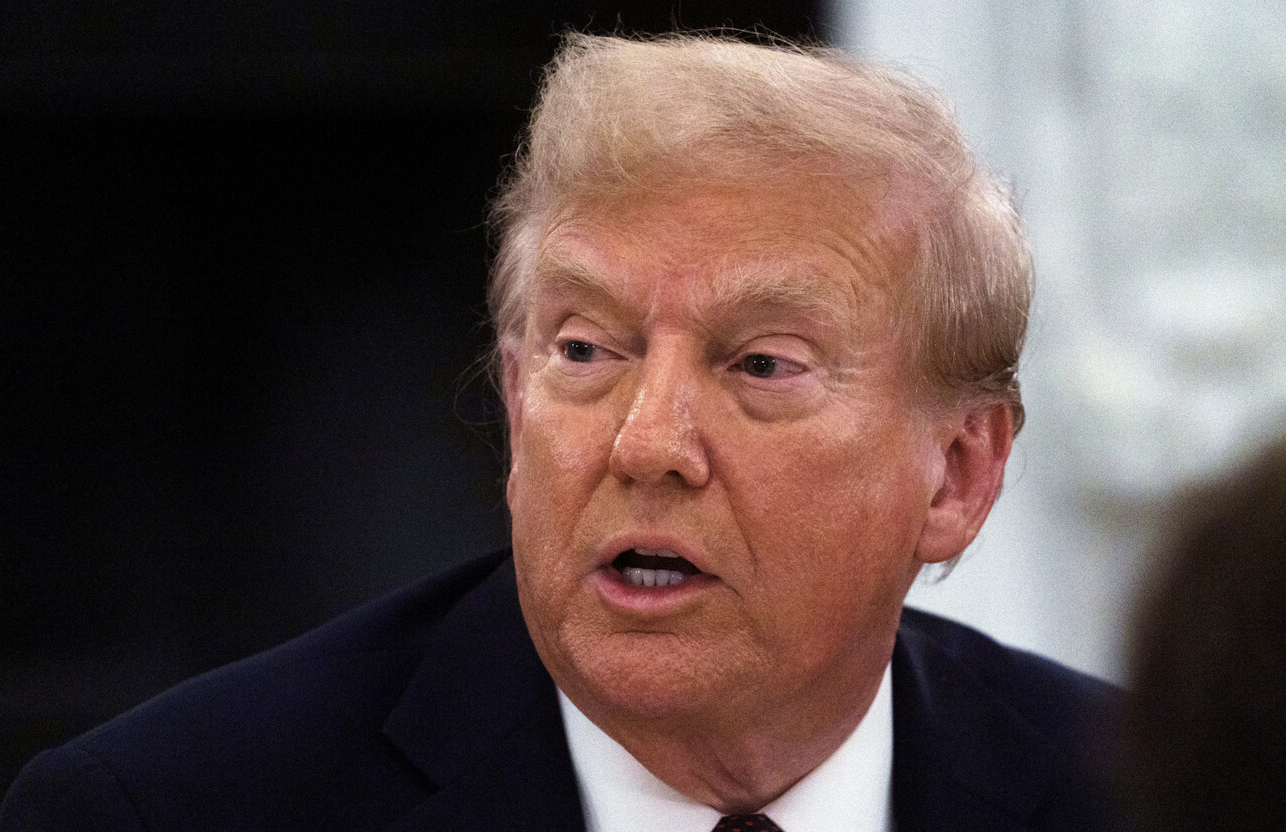
The European Commission has levied a $3.5 billion fine against Google over what it calls anti-competitive practices in its advertising business — the latest salvo in a years-long effort by Brussels to rein in Big Tech’s dominance. Former U.S. President Donald Trump quickly decried the ruling, calling it an “unfair attack on American innovation.”
The record-setting fine follows a formal investigation into Google’s advertising technology stack, which the European Union says allowed the tech giant to illegally favor its own services over competitors and restrict fair access to digital ad markets. The decision represents one of the most aggressive regulatory moves the E.U. has taken against a U.S. technology company.
This is not Google’s first brush with European regulators. The company has faced multiple antitrust actions over the past decade, including a 2018 penalty for its Android operating system practices. However, the scale of this latest fine and the geopolitical rhetoric surrounding it mark a new phase in the transatlantic tech battle.
The E.U. says it aims to restore competitive balance and consumer choice, while critics — especially from the U.S. — view such actions as politically motivated and protectionist.
In a post on Truth Social, Trump slammed the fine, writing:
“The E.U. is once again taking money that would otherwise go to American jobs and innovation. Very unfair!”
European Commissioner for Competition Margrethe Vestager responded during a press briefing:
“This is not about nationality — it’s about monopoly power. No company, no matter how big or where it’s from, should be above the law.”
Google has said it will appeal the ruling, calling the Commission’s findings “deeply flawed” and warning that the decision could harm digital publishers who rely on its services.
The penalty signals a hardening of Europe’s stance toward U.S. tech giants, reinforcing its ambition to set the global standard for digital regulation. For the U.S., the fine adds fuel to long-standing complaints that the E.U.’s antitrust actions disproportionately target Silicon Valley firms.
The timing is also politically loaded: with Trump’s 2026 campaign gaining steam, his defense of American companies may play well with domestic audiences critical of global institutions. Meanwhile, the Biden administration faces a complex balancing act — upholding fair competition without appearing to cede regulatory ground to Europe.
Analysts expect this ruling to further galvanize discussions in Washington about crafting a U.S. equivalent to the E.U.’s Digital Markets Act.
