

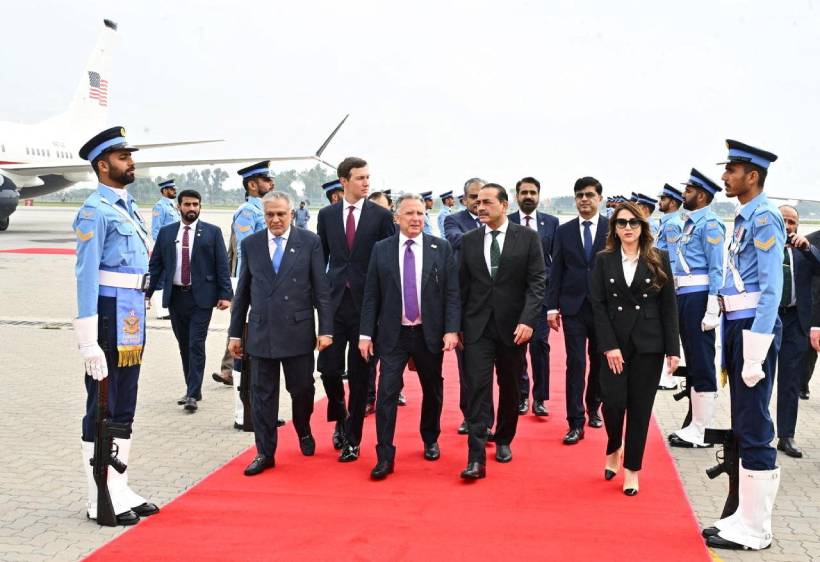
Pakistan’s emergence as a channel between Washington and Tehran matters because military escalation has repeatedly moved faster than formal diplomacy. Islamabad offers both sides a conduit they distrust less than direct contact.
During the 2026 conflict involving Iran, Israel and the United States, Pakistan worked with Saudi Arabia, Qatar, Turkey and Egypt to reopen negotiations after strikes threatened to collapse ceasefire efforts. The grouping did not end the war or prevent further attacks, but it narrowed the space for uncontrolled escalation.
Pakistan’s value rests on balance. It has security links with Gulf states, working relations with Iran and strategic importance for Washington. It is also outside the Arab-Israeli normalisation framework, allowing it to mediate without appearing to advance Israel’s diplomatic agenda.
The process reportedly moved through negotiations in Islamabad, Cairo and Switzerland, with Pakistan transmitting proposals that the United States and Iran were unwilling to exchange directly. The coalition also resisted pressure to tie a ceasefire to rapid expansion of the Abraham Accords.
That resistance was strategically significant. Saudi Arabia, Qatar and Pakistan calculated that normalisation without movement on the Palestinian issue could create domestic and regional costs while rewarding military escalation.
The bloc is not fully unified. Gulf governments have different relationships with Iran, Israel and Washington, and the United Arab Emirates has often taken a harder line. Ceasefires have also remained vulnerable to strikes and incidents around the Strait of Hormuz.
Pakistan therefore cannot guarantee peace. What it can do is preserve communication when official channels fail and give regional states greater influence over the terms of de-escalation.
The longer US-Iran hostility persists, the more valuable that role becomes. Islamabad’s diplomatic power now lies not in choosing a side, but in remaining one of the few places where both sides can still send a message.
