

The Black Sea has moved from Europe’s periphery to the centre of its security and economic agenda. What remains missing is an institution capable of turning that strategic attention into a durable regional network.
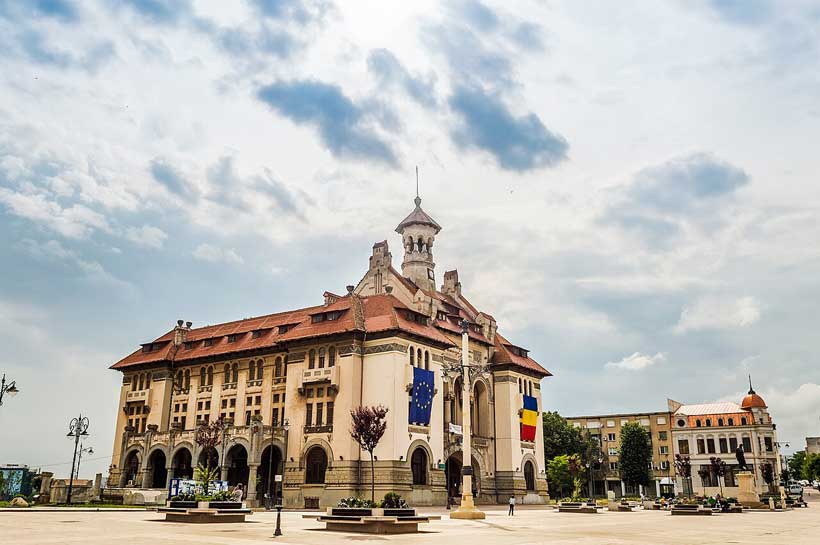
Russia’s war against Ukraine has transformed the sea into a frontline for military logistics, grain exports, energy routes and infrastructure. Constanța has become a critical transport hub, while the Danube and the Caucasus are again central to European connectivity.
Brussels has responded with a stronger Black Sea strategy and NATO has reinforced its eastern flank. But policy remains divided among national governments, security institutions and development programmes.
A College of Europe on the Black Sea would address a different part of the problem: the shortage of officials, analysts and administrators trained to work across the region’s political boundaries. The existing College of Europe helped build networks that supported European integration in the west. A new campus could perform a similar role for Ukraine, Moldova, Georgia, Romania, Bulgaria and neighbouring partners.
The idea would build on two decades of educational cooperation through the Organization of the Black Sea Economic Cooperation. Those initiatives preserved dialogue even when broader political relations deteriorated, but they lacked the scale and prestige to shape a generation of regional policymakers.
The economic case is also growing. Ukraine’s reconstruction, new logistics corridors and energy diversification will require people who understand EU law, procurement, border management and infrastructure finance.
Such a college would not resolve conflict or replace diplomacy. It would create the human infrastructure that strategies often overlook.
Europe’s Black Sea policy will succeed only if it becomes more than a reaction to war. A permanent academic institution would signal that the region is not a temporary buffer but a long-term part of Europe’s political and economic future.
