

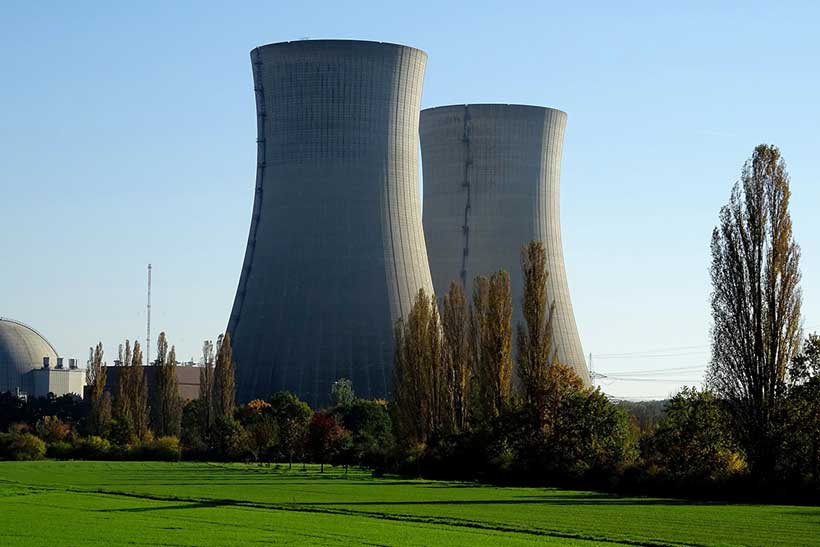
India’s nuclear-hydrogen experiment matters because it offers the country a potential way to cut two strategic dependencies at once: imported fossil fuels and imported clean-energy equipment.
At Kalpakkam in Tamil Nadu, the Department of Atomic Energy has demonstrated hydrogen production using a copper-chlorine thermochemical cycle developed by the Bhabha Atomic Research Centre. Instead of generating electricity and then running an electrolyser, the process uses reactor heat directly to split water.
That distinction could be commercially important. Heavy industries such as fertiliser, refining and steel need large volumes of hydrogen and continuous energy. Solar and wind can support that transition, but their intermittency creates costs for sectors that operate around the clock.
The project also fits India’s wider nuclear strategy. The 500-megawatt Prototype Fast Breeder Reactor reached first criticality in April, advancing a programme designed eventually to make greater use of the country’s large thorium resources.
For New Delhi, the strategic argument is compelling. India imports most of its crude oil and relies on natural gas to produce conventional hydrogen. Domestic nuclear hydrogen could reduce exposure to supply disruptions while supporting the national target of five million tonnes of clean hydrogen by 2030 and the 2070 net-zero goal.
But the technology is ahead of policy. The fast breeder reactor was completed years later than planned, and additional reactors proposed in 2019 have not materialised. Private-sector participation has been opened in law, yet the investment framework remains incomplete.
Cost is another unanswered question. A world-first pilot does not establish that nuclear hydrogen can compete with rapidly falling electrolyser costs or be deployed safely at industrial scale.
India now needs to integrate the technology into its hydrogen mission, identify industrial customers and set a credible construction timetable. Kalpakkam has proved that the process can work. The strategic prize will be won only if India proves it can build, finance and repeat it.
