
Somalia’s latest cabinet review of public audits matters because the country has reached the point where producing reports is no longer enough. The credibility of its economic reforms now depends on whether ministries act on the findings.
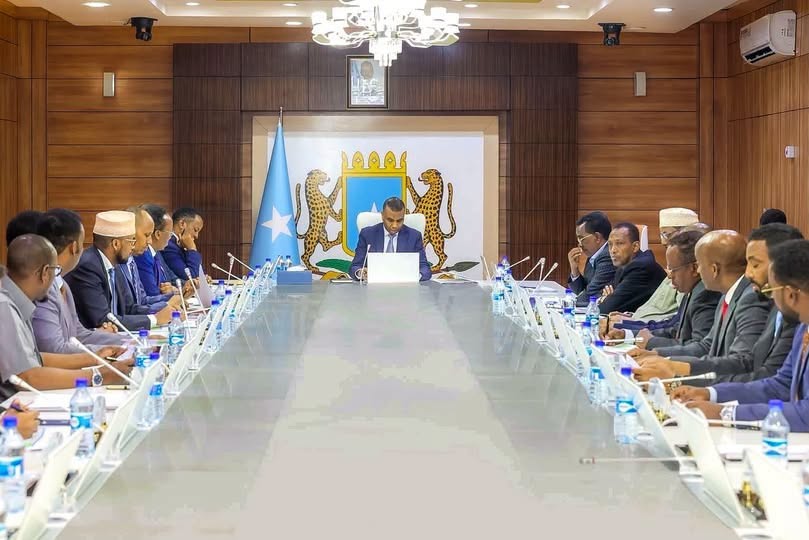
Auditor General Ahmed Issa Guutaale told the cabinet that his office had expanded audit coverage, increased the number of reports and met statutory deadlines for annual submissions. He also identified persistent weaknesses in project oversight, contracting and the transfer of responsibilities between public institutions.
Prime Minister Hamza Abdi Barre called for corrective action and stronger protection of state assets. That response reflects the growing importance of public financial management since Somalia secured debt relief in late 2023.
International lenders have made transparent budgeting, domestic revenue and control of public spending central to continued support. Investors are watching the same indicators, particularly the government’s ability to enforce contracts and prevent public funds from being diverted.
The proposed National Revenue Authority is part of that agenda. The Auditor General’s Office has long backed a more formal revenue administration, arguing that stronger collection systems can improve transparency and reduce reliance on external financing.
But new agencies and audit reports can also become procedural achievements without practical consequences. Accounting officers need clear authority, contractors must face scrutiny, and institutions that ignore recommendations must encounter real penalties.
The political challenge is that enforcement can create conflict inside government, especially where procurement and public projects are tied to powerful networks. That is precisely why implementation matters.
Somalia has already demonstrated that it can meet international reform benchmarks. The next test is domestic: whether audit findings change how money is spent, who is held responsible and whether citizens see better services as a result.
