

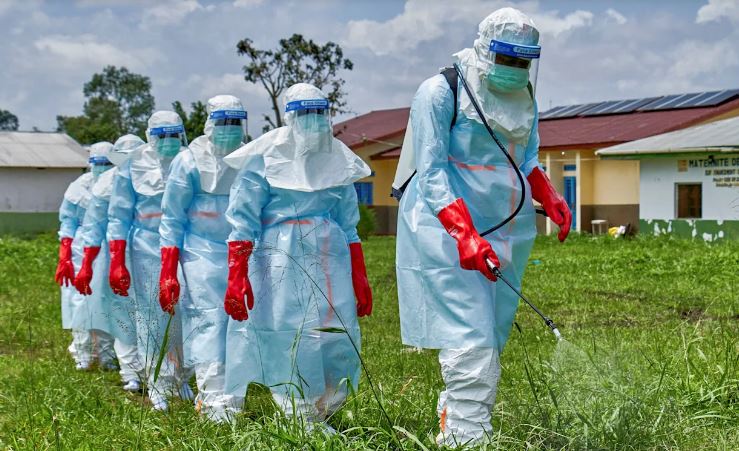
The Ebola outbreak in the Democratic Republic of Congo has become a test of whether a health emergency can be contained while armed violence is simultaneously cutting off access to affected communities.
UN humanitarian officials say the response is being expanded across surveillance, laboratory testing, isolation, treatment and public outreach. National authorities had recorded 2,124 confirmed cases in five provinces, making the outbreak the third largest on record.
The central problem is not simply the number of cases. In Ituri, where Bunia and Rwampara remain the epicentre, many infections appear to be occurring outside known contact chains. That means health teams are finding patients late, often after the virus has had time to spread through families and communities.
Ten government ambulances have arrived in Ituri to improve patient transport and case management. Authorities are also trying to accelerate alerts, increase isolation space and ensure safe burials, all of which are essential to breaking transmission.
But those measures depend on access and trust. A new wave of attacks in North Kivu has killed and injured civilians, displaced communities and placed health workers at greater risk. Every road closure, population movement or suspension of field work gives the virus more room to move.
The economics of the crisis are also widening. A prolonged outbreak will strain local health budgets, disrupt trade and farming, and increase pressure on neighbouring countries to strengthen border screening.
The UN has called on armed actors to protect civilians and response teams. That appeal is not separate from the medical strategy; it is part of it. Congo can build more laboratories and treatment beds, but the outbreak will continue to outpace the response if health workers cannot safely reach the people most likely to be infected.
