

Somalia’s appearance at the UN development forum matters now because the government is trying to convert its recent debt-relief breakthrough into investment, stronger institutions and visible gains in public services.
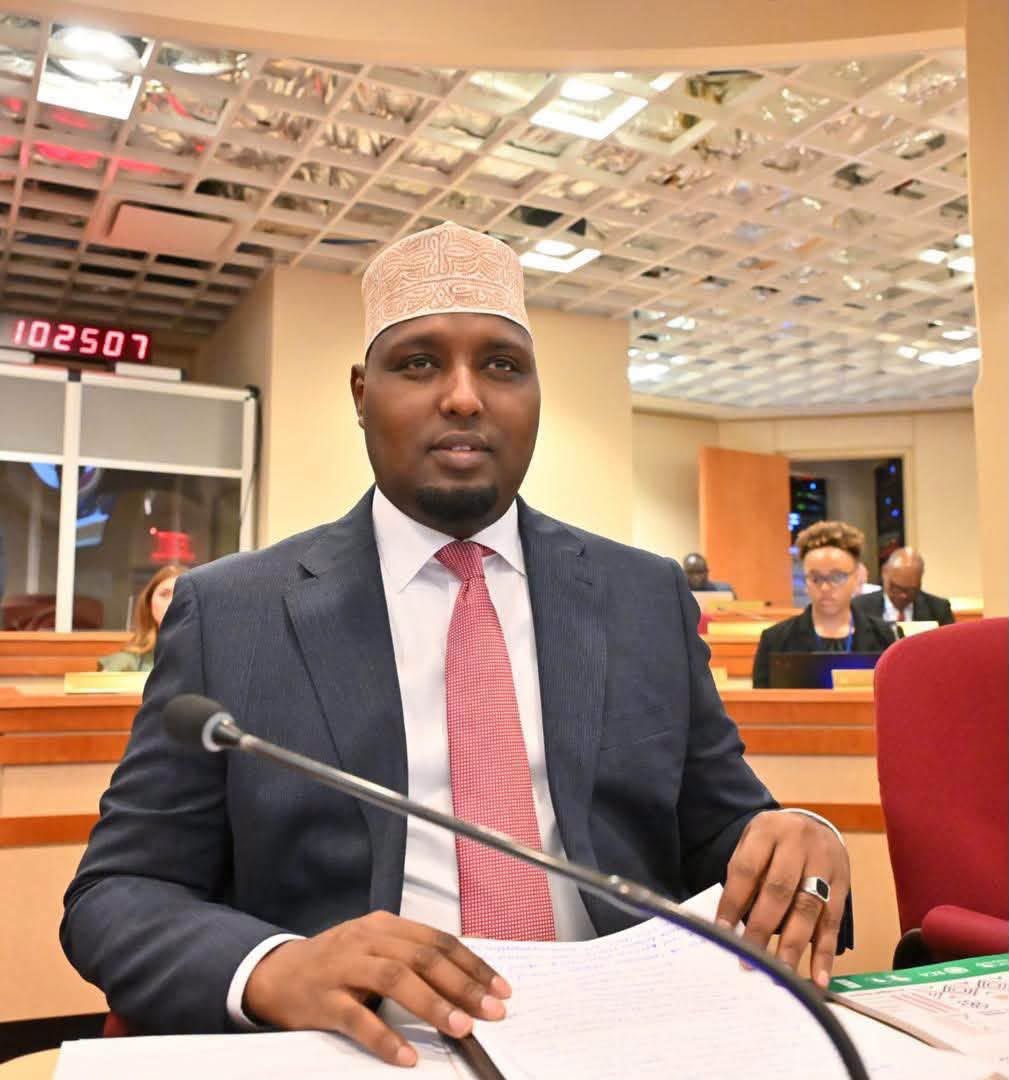
Planning Minister Mahmoud A. Sheikh Farah presented the country’s reform programme during an Africa-focused ministerial debate in New York. He said Somalia was aligning its National Transformation Plan for 2025-2029 with the UN Sustainable Development Goals and the African Union’s Agenda 2063.
The diplomatic message is clear: Somalia wants to be treated less as a permanent humanitarian emergency and more as a reforming state with an economic strategy. Debt relief secured at the end of 2023 reopened access to concessional finance and gave the government more room to pursue revenue, budgeting and governance reforms.
That opportunity comes with tougher scrutiny. International lenders and private investors will judge Somalia not by the ambitions of its planning documents but by whether agencies can collect revenue, manage projects transparently and deliver infrastructure and services outside the capital.
The government has made public financial management and domestic revenue central to its agenda. It is also seeking private capital for infrastructure and employment, hoping that stronger institutions can begin to reduce the economy’s dependence on aid and remittances.
Yet the constraints remain severe. Al-Shabaab continues to threaten state authority, climate shocks repeatedly damage rural livelihoods, and weak transport and energy networks raise the cost of doing business.
Somalia’s UN presentation therefore marks a shift from securing international support to proving that reform can survive implementation. The next phase will be measured in functioning institutions, completed projects and confidence from citizens and investors—not in the number of commitments made in New York.
