

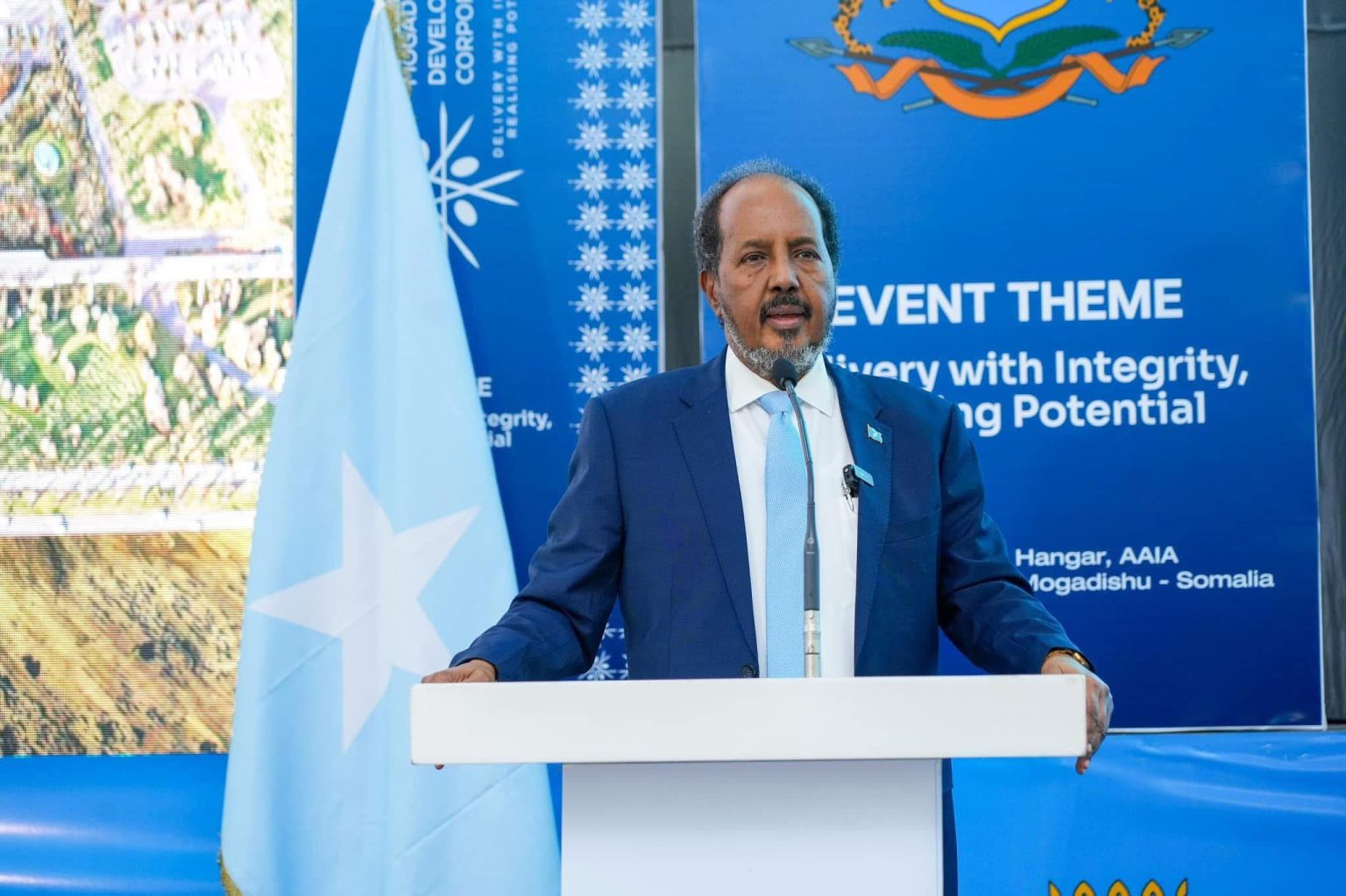
Mogadishu has unveiled a sweeping blueprint aimed at steering Somalia toward economic modernization and institutional resilience, underscoring the government’s determination to move beyond decades of fragility. The plan, announced in late December, sets out priorities for infrastructure, governance, and investment, positioning Somalia as a potential growth hub in the Horn of Africa if political and security conditions stabilize.
The blueprint emphasizes rebuilding state institutions, improving fiscal management, and fostering private sector development — areas long identified as critical bottlenecks in Somalia’s recovery. It also aligns with commitments made to international financial institutions, which have tied debt relief and future lending to credible reforms in transparency and governance.
Officials in Mogadishu described the plan as a “roadmap for a modern and resilient Somalia.” While details remain sparse, early elements include upgrading ports and transport corridors, strengthening energy infrastructure, and modernizing agriculture to address both food security and export potential. “This is not just an economic strategy; it is a nation-building project,” a senior government adviser remarked.
The timing of the announcement reflects a delicate balancing act. Somalia continues to grapple with persistent security threats from al-Shabaab, political contestation over federal authority, and recurrent humanitarian crises. Critics warn that without robust security and disaster preparedness, even the most ambitious economic plans may falter.
Regionally, the blueprint could have wider implications. Somalia’s strategic location along the Gulf of Aden and the Indian Ocean shipping lanes makes it a potential hub for trade and logistics. Closer integration with neighbors such as Ethiopia and Djibouti could enhance regional connectivity, though it also risks exposing Somalia to competitive tensions in an already volatile Horn of Africa.
For international partners, Somalia’s modernization plan is both an opportunity and a test. Success would strengthen stability in a region where governance crises routinely spill across borders. Failure, however, could reinforce skepticism about Somalia’s capacity to translate ambition into tangible progress.
The blueprint thus represents more than a technocratic plan: it is a political statement of intent. Whether it becomes a turning point for Somalia or another unfulfilled vision will depend on the government’s ability to align reform, security, and resilience in a landscape fraught with risk.
