

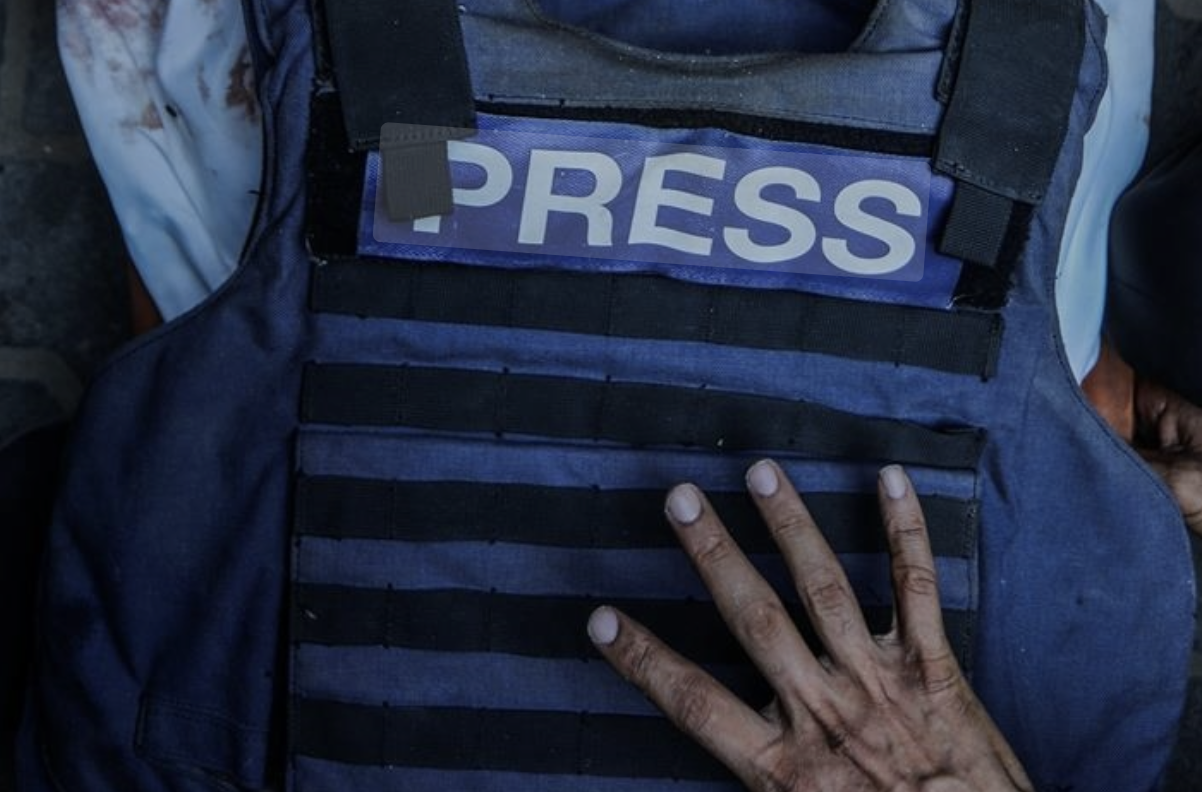
A Canadian photojournalist has resigned from Reuters in protest over what he describes as the news agency’s “editorial failure” to adequately represent the humanitarian toll of Israel’s military operations in Gaza, reigniting a fierce debate over media impartiality in conflict zones.
The resignation comes amid global scrutiny of how major Western media outlets are covering the ongoing Israeli–Palestinian conflict, particularly as civilian casualties mount in Gaza. The journalist, whose name has not been publicly disclosed for safety reasons, reportedly submitted a detailed resignation letter criticizing editorial policies that he said “sanitized the suffering” of Palestinians.
Reuters, one of the largest international news agencies, has long prided itself on neutrality. However, its coverage of Gaza — including image selection, headline framing, and use of official Israeli government sources — has drawn criticism from pro-Palestinian groups, media scholars, and even some of its own contributors.
The journalist’s decision to step down, publicly framed as an ethical stance, is the latest in a series of internal reckonings at global media organizations over how to cover asymmetrical conflicts.
In excerpts from the resignation letter shared with multiple advocacy groups, the journalist wrote:
“I can no longer, in good conscience, contribute to an editorial line that dehumanizes victims under the guise of neutrality. Journalism must bear witness — not blur truth.”
Reuters responded with a brief statement defending its editorial standards: “We remain committed to balanced, accurate reporting and regret that a member of our team has chosen to depart.”
Press freedom organizations have praised the resignation as a “courageous act,” while others warn that it could set a precedent for politicizing editorial dissent in newsrooms.
The resignation highlights the ethical tightrope international media must walk in covering deeply politicized and emotionally charged conflicts. For Western outlets operating under intense pressure from governments, advocacy groups, and advertisers, the line between neutrality and erasure is increasingly contested.
This case also reflects a broader generational shift in journalism — one where frontline reporters are more willing to challenge institutional narratives in real time, often through social media or public resignations. For Reuters, the incident may prompt internal reviews, but it also exposes the larger dilemma facing global journalism: in wars of information, what defines objectivity?
