

Puntland’s security forces are ramping up military operations against Islamic State–linked fighters entrenched in northeastern Somalia, giving trapped militants a final window to surrender or face decisive assault, in what officials describe as the most coordinated counterterrorism effort in the region to date.
The operation, concentrated in the rugged terrain of the Bari region, marks a critical phase in Puntland’s multi-year campaign to eliminate a persistent ISIS foothold in Somalia. While Al-Shabaab remains Somalia’s primary jihadist threat, ISIS factions in Puntland’s mountainous areas have maintained a smaller, but resilient, insurgency — one that has drawn international concern due to its transnational financing and recruitment links.
This latest offensive, launched last week, is being carried out by Puntland’s elite security units with intelligence and logistical support from international partners. According to regional authorities, the targeted militants have been encircled, their supply lines severed, and their communications heavily disrupted.
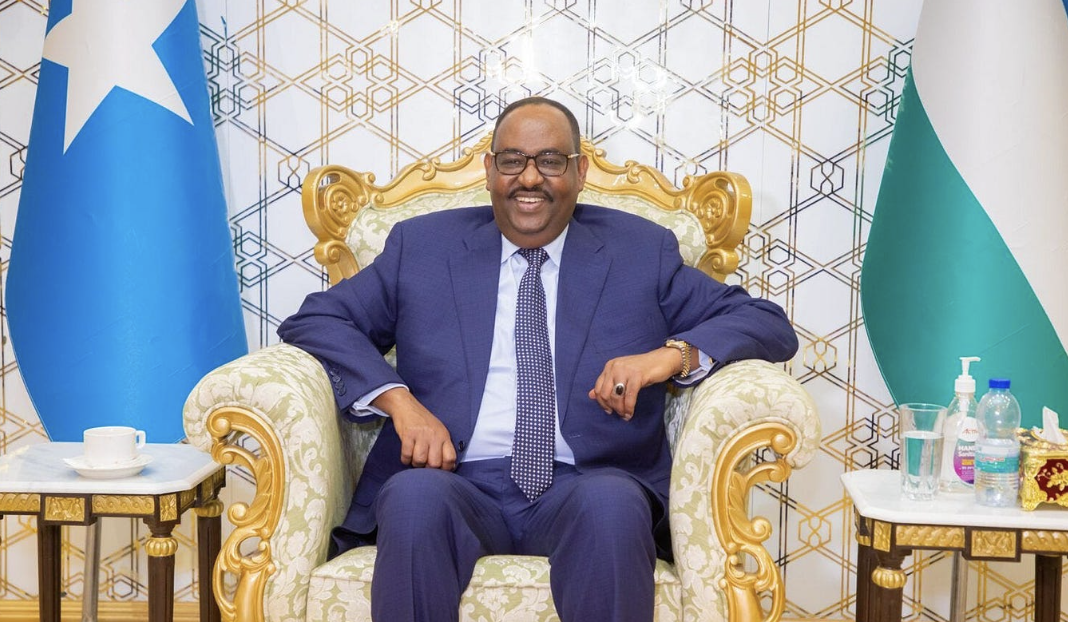
Speaking to reporters in Garowe, Puntland Interior Minister Abdi Farah Said (Juxa) confirmed the presence of a surrender ultimatum:
Puntland Interior Minister Abdi Farah Said (Juxa)
“These militants have nowhere to run. We have given them a final opportunity to surrender peacefully and face justice.”
He added that the operation is being conducted with “utmost care” to avoid civilian casualties and minimize damage to surrounding communities. The government did not specify the exact number of militants encircled but suggested dozens are believed to be in hiding within the Cal-Miskaad mountains.
The unfolding confrontation has implications beyond Puntland. A successful crackdown on ISIS cells in northeastern Somalia could reinforce the perception of Puntland as a reliable regional security actor — potentially increasing its leverage in negotiations with Mogadishu and attracting further Western support.
However, analysts caution that the persistence of such groups — despite repeated offensives — underscores deeper governance and development gaps in Somalia’s peripheries. Without long-term stabilization and reintegration programs, the security vacuum could once again become fertile ground for extremist regrouping.
