

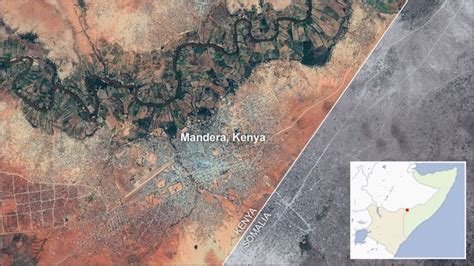
Kenya’s government has dismissed as “baseless rumors” reports suggesting that Jubaland forces from Somalia have crossed into Mandera County, a volatile border region long plagued by insecurity and cross-border tensions.
Interior Minister Kipchumba Murkomen sought to reassure residents that the county remains secure, rejecting accusations from local leaders that foreign troops are destabilizing the region. Instead, he accused political rivals of exploiting security concerns for partisan gain.
They are going out there to speak carelessly about matters of security
Murkomen
said, in a pointed rebuke to opposition figures. “Kenya is not under any threat from Somalia or any regional force from Somalia; the only threat we face is from Al-Shabaab militia.”
The remarks come amid heightened scrutiny from Mandera’s political leadership, including the governor and senator, who have accused the government of silence in the face of what they describe as a deteriorating security situation. Governor Adan Khalif warned that Mandera must not “be turned into a battleground for Somalia,” insisting that the county is paying the price for conflicts spilling across the porous border.
The dispute reflects the delicate balancing act facing Nairobi: reassuring its citizens of safety while managing the complex dynamics of the Somali conflict. The Jubaland administration, aligned with Somalia’s federal government but often at odds with Mogadishu, has historically maintained close ties with Kenya. Meanwhile, Al-Shabaab continues to launch deadly attacks inside Kenya, making Mandera one of the most exposed counties in the fight against the insurgents.
For Kenya, the challenge lies in quelling domestic political anxieties while avoiding deeper entanglement in Somalia’s conflicts—a task that remains as fraught as ever in a region where state sovereignty and militant threats frequently blur.
